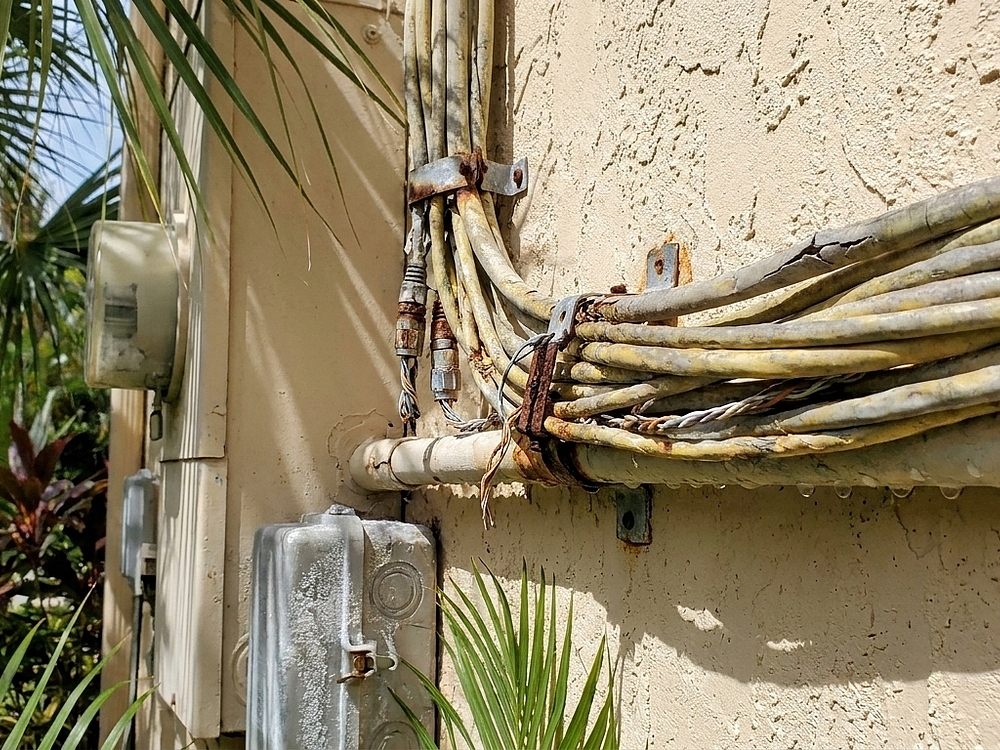


ID Telecom & Data, Inc. is a trusted Coral Springs business phone systems and structured cabling provider. As a family-owned cabling contractor, we specialize in VoIP services, voice and data cabling, network infrastructure, and complete telecommunications solutions from leading brands like Avaya, Samsung, Nortel, and NEC. Our certified cabling technicians handle everything from new system installations to maintenance, surge protection, and equipment upgrades. Whether you need fiber optic cabling, Cat 5/6 installation, low voltage cabling, office cabling solutions, phone system repairs, or a custom business communications setup, our AAA-rated BBB service delivers reliable solutions. Contact ID Telecom & Data, Inc. at 954-340-6880 for a free consultation and experience our professional telecommunications and network cabling expertise.
Modern Low-Voltage Cabling Solutions for Coral Springs Offices
Most office managers think cabling is just about plugging things in. Wires here, routers there. But your network infrastructure is more than that — and if you don't treat it like the backbone of your operation, you're setting yourself up for headaches. Low-voltage systems may not look like much behind the walls, but they control everything from your internet speed to your security cameras. Especially if you're scaling up or dealing with outdated copper.
So here's what matters. If you're building a workspace that can handle real growth, that's smart. Just don't assume any cable will do. Every connection should be planned. Every install needs to meet current standards. And every decision should be grounded in how your team actually works — not just what looked good in the quote.
What Low-Voltage Actually Covers
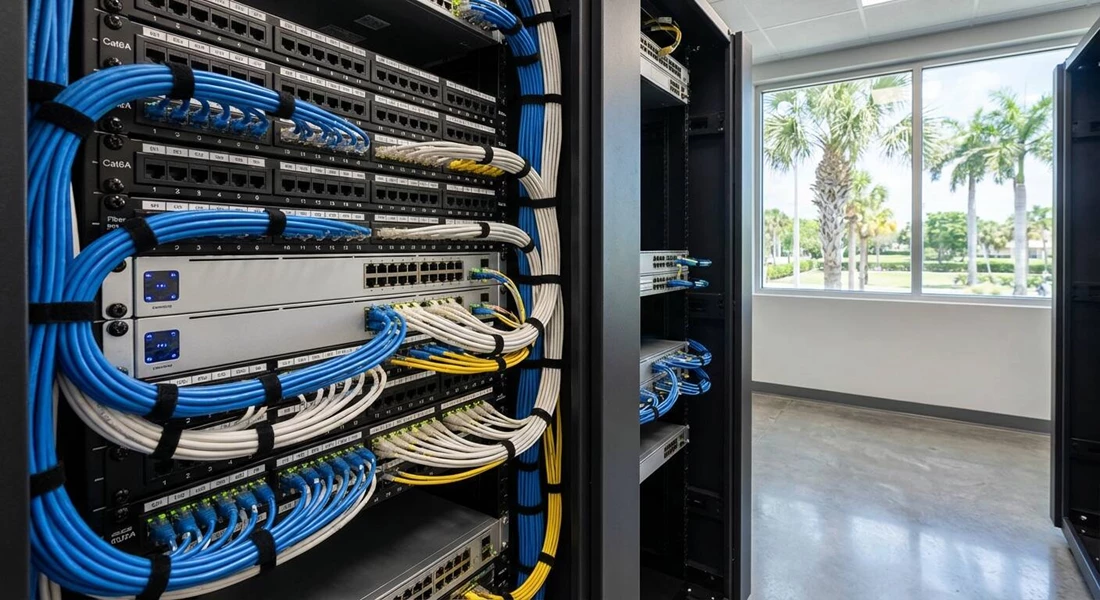
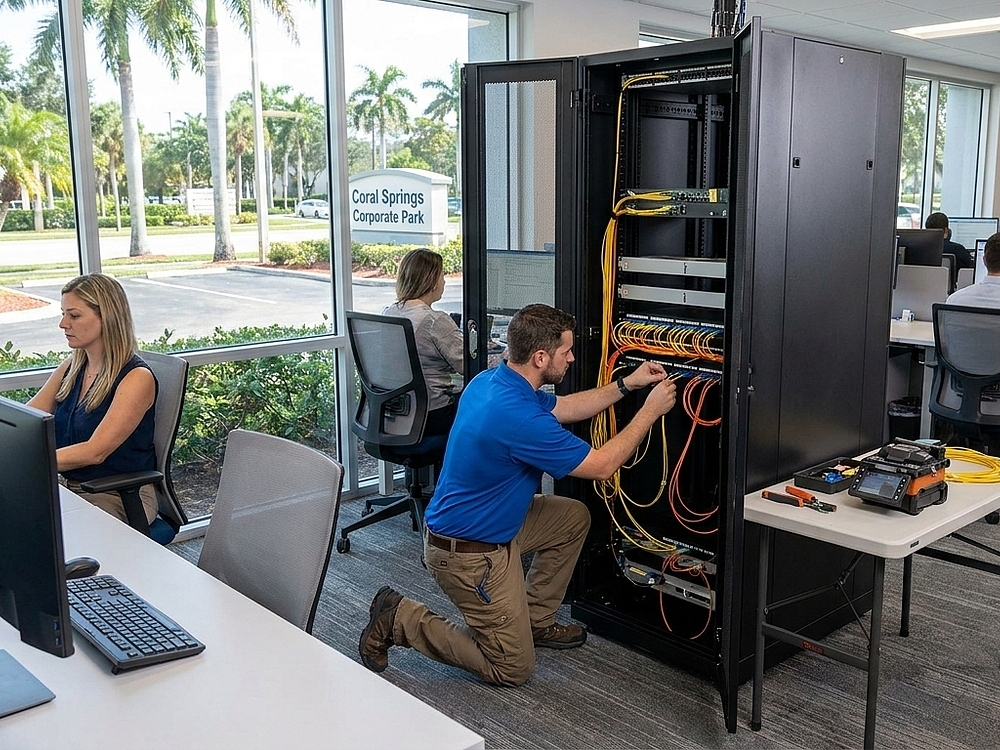
Low-voltage cabling handles anything under 50 volts. That means data lines, phone systems, surveillance feeds, access control panels, and AV setups. It's not the stuff that powers your lights or your coffee maker — it's the stuff that keeps your business connected. The IDF closet in your back hallway? That's where it all comes together. And if it's a mess in there, it's a mess everywhere else too.
We've seen offices try to patch together old Cat5 with new fiber and wonder why their video calls keep dropping. It doesn't work that way. Your cabling infrastructure needs to be cohesive, labeled, and built to handle what you're throwing at it today and tomorrow.
The Systems Worth Installing
Not all cabling is created equal. Some of it's built for speed. Some of it's built for distance. Some of it's built to power devices without a separate outlet. Knowing which system fits your office comes down to what you're running and where you're headed.
Here's what we see working in Coral Springs offices right now:
- Cat6 and Cat6A for gigabit speeds and future-proofing your data network
- Fiber optic runs for long distances, high bandwidth, and zero interference
- Structured cabling that organizes everything into one clean, scalable system
- PoE setups that power phones, cameras, and access points through the same cable
- Dedicated WAP cabling to support strong, consistent Wi-Fi across every floor
Why Fiber Beats Copper in Most Scenarios
Copper's been the standard for decades. It's cheap, it's easy to terminate, and it works fine for short runs. But if you're connecting buildings, running cables through areas with heavy electrical interference, or planning for 10-gig speeds, fiber is the only real option. It doesn't degrade over distance. It doesn't pick up noise from motors or fluorescent lights. And it handles way more data without breaking a sweat.
Most offices we work with in Coral Springs are hybrid now — copper for desktop drops, fiber for backbone and inter-building links. That gives you flexibility without overpaying for overkill on every single port.
Structured Cabling Saves You From Chaos
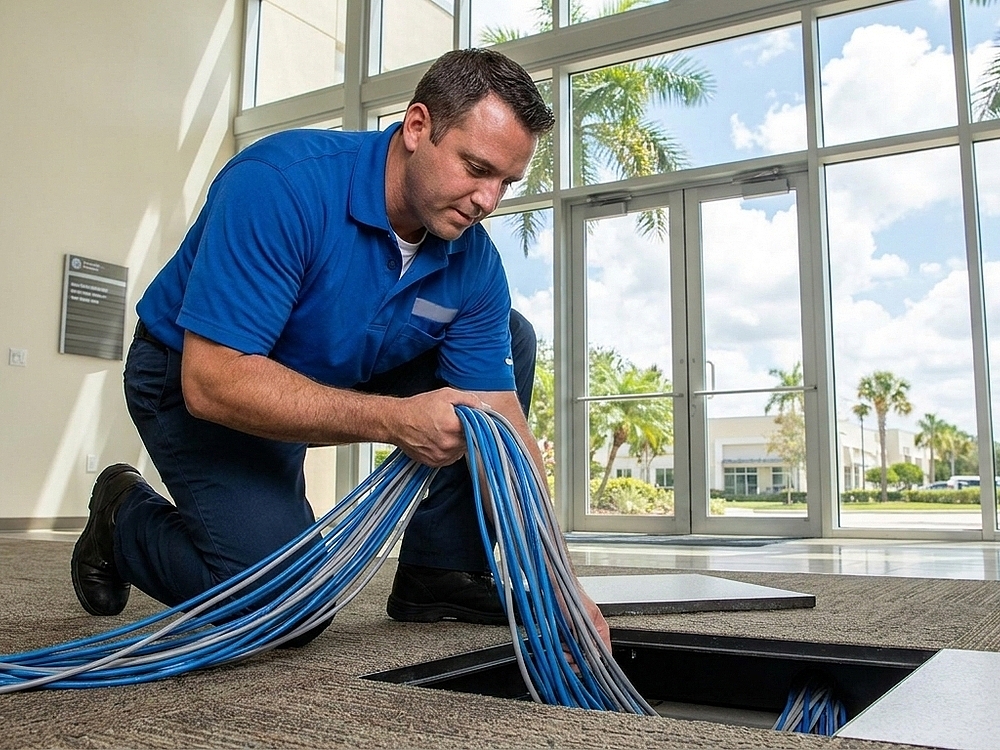
A structured cabling system isn't just neat — it's strategic. Instead of running individual cables for every device, you build a unified infrastructure with clear pathways, labeled terminations, and room to grow. That means when you add a new conference room or move a department, you're not ripping out walls or calling in an emergency tech.
It also means faster troubleshooting. If a port goes down, you know exactly where it terminates and what it connects to. No guessing. No tracing mystery cables through drop ceilings. Just clean documentation and a system that actually makes sense.
Power Over Ethernet Cuts Down on Clutter
PoE lets you run power and data through the same cable. That's huge for devices like IP cameras, VoIP phones, and wireless access points. You don't need to install outlets near every device. You don't need to deal with power bricks and extension cords. You just plug in one cable and you're done.
Here's where PoE makes the biggest difference:
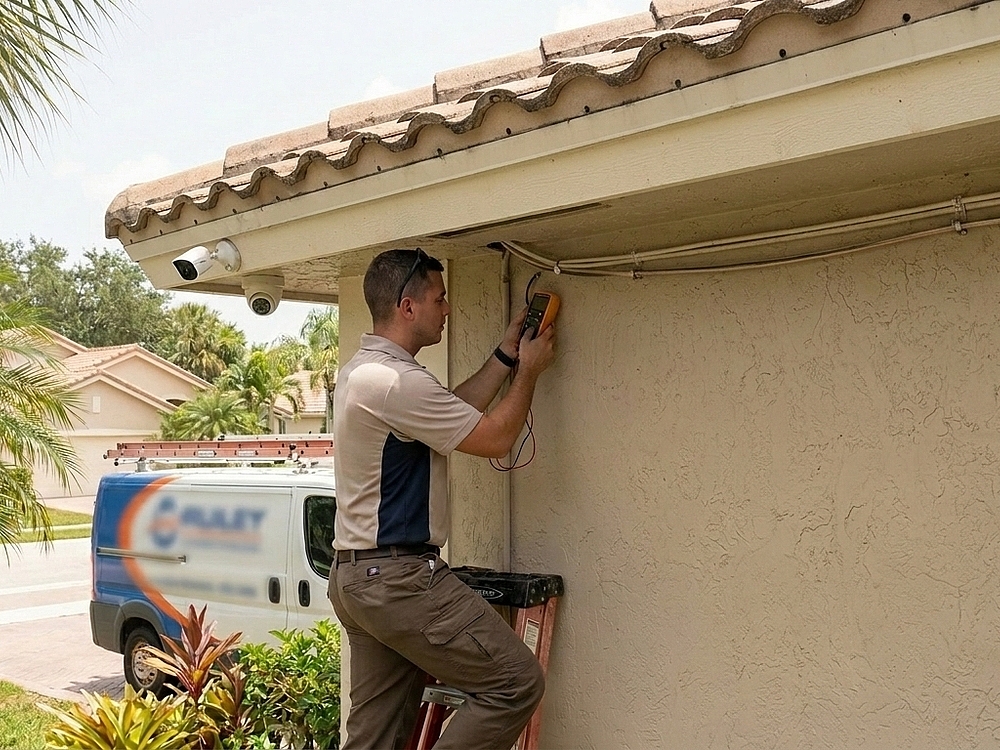
- Security cameras mounted in hallways or parking lots without nearby power
- Desk phones that don't need a separate adapter
- Access control readers at every door without running conduit
- Wireless access points mounted on ceilings for clean, centralized coverage
- Digital signage displays that pull data and power from a single drop
Planning Beats Patching Every Time
You can't just throw cables in and hope it works. A solid low-voltage install starts with a site survey, a clear understanding of your current and future needs, and a design that accounts for growth. That means extra capacity in your pathways. That means using the right cable types for the right applications. And that means working with installers who actually know the standards.
We've walked into offices where someone's cousin ran the cabling and it's a disaster. Unlabeled cables. No testing. No documentation. When something breaks, nobody knows where to start. Don't be that office.
What You Gain From Doing It Right
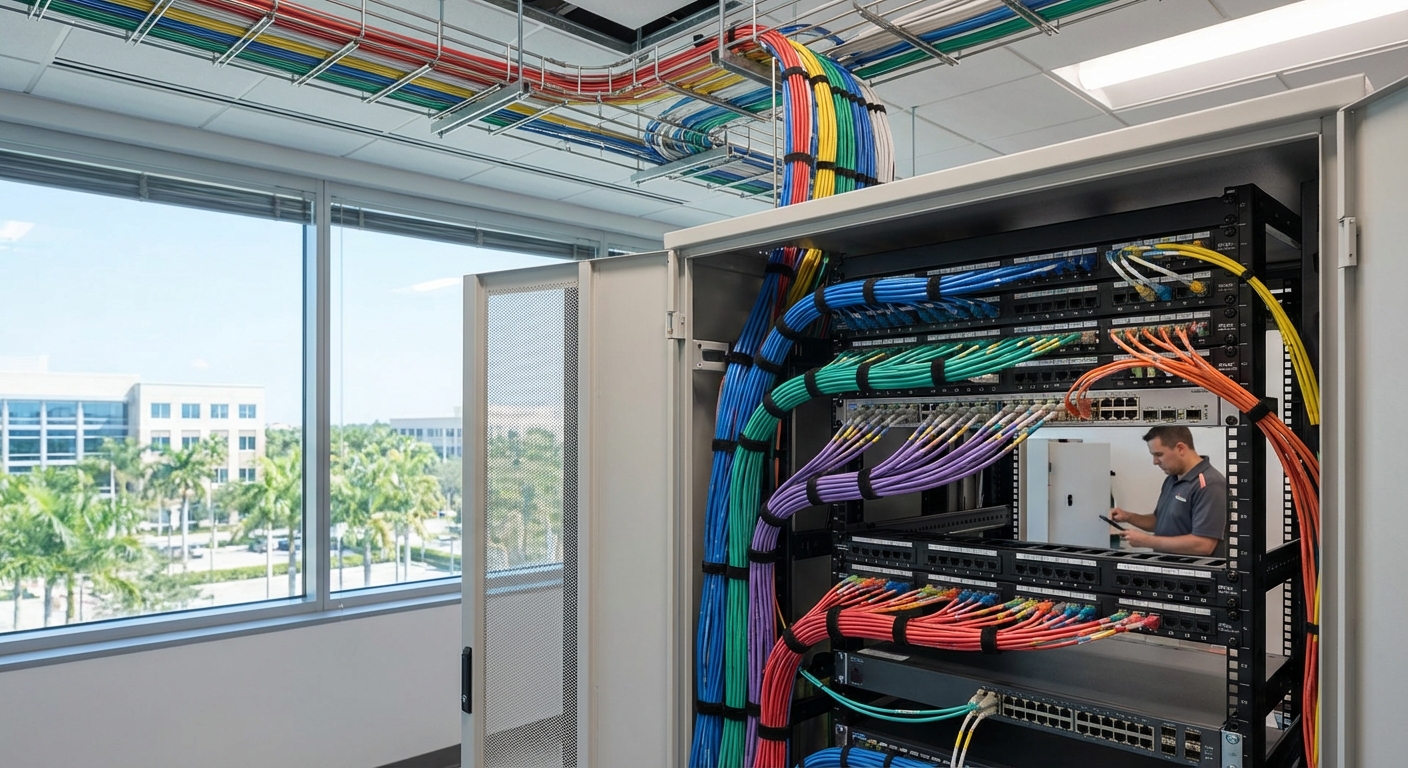
A modern cabling system isn't just about avoiding problems — it's about unlocking performance. Faster file transfers. Clearer video calls. Reliable security feeds. And the ability to add new tech without starting from scratch.
Here's what a proper install gets you:
- Speeds that support cloud apps, large file transfers, and real-time collaboration
- Scalability that lets you add users, devices, or entire floors without rewiring
- Reduced downtime because troubleshooting is faster and problems are easier to isolate
- Lower long-term costs from fewer service calls and less frequent upgrades
- Compliance with industry standards that protect your investment and your warranty
Testing and Certification Matter More Than You Think
Just because a cable is plugged in doesn't mean it's working right. Professional installers test every run with certified equipment to make sure it meets performance specs. That includes checking for signal loss, crosstalk, and proper termination. If a cable fails testing, it gets redone before you ever see it.
Certification also gives you documentation that proves your system was installed correctly. That matters for warranties, insurance, and future upgrades. If you ever sell the building or bring in a new IT team, they'll know exactly what they're working with.
Common Mistakes That Cost You Later
Most cabling problems come down to shortcuts. Someone skipped the planning phase. Someone used the wrong cable type. Someone didn't label anything. And now you're paying for it in downtime, service calls, and lost productivity.
Here's where offices trip up most often:
- Mixing cable types without understanding the performance impact
- Skipping documentation and labeling because it seemed like extra work
- Using consumer-grade hardware in a commercial environment
- Ignoring future capacity and building a system that's maxed out from day one
- Hiring the cheapest bid without checking certifications or references
When to Bring In a Professional
If your office is growing, moving, or dealing with network issues, it's time to call in someone who knows low-voltage systems inside and out. A certified installer will assess your current setup, identify weak points, and design a solution that fits your budget and your timeline.
They'll also handle permitting, testing, and documentation — the stuff that most business owners don't have time for but can't afford to skip. It's not just about getting cables in the walls. It's about building a system that works now and keeps working as your business evolves. For offices in Broward County, working with experienced telecom service providers ensures your business phone systems and data infrastructure are properly integrated.
Building Infrastructure That Lasts
Cabling isn't glamorous. It's hidden behind walls and above ceilings. But it's the foundation of everything your office does. A solid low-voltage system supports your team, protects your data, and gives you room to grow without constant rework. There's no excuse for cutting corners when the tools and standards are right there. But there's also no forgiveness when you ignore them and end up with a network that can't keep up.
Let’s Future-Proof Your Office Together
We know how much your business relies on a network that just works—no slowdowns, no surprises, no headaches. If you’re ready to upgrade your office cabling or want a second opinion on your current setup, let’s talk it through. Call us at 954-340-6880 and let’s make sure your infrastructure is ready for whatever comes next. Or, if you prefer, you can get a free consultation and we’ll help you build a smarter, more reliable workspace from the ground up.
‹ Back
Recent Posts
-
Is Fiber Optic Cabling in Pembroke Pines a Smart Move for Your Office?
September 25, 2026
-

Signs Your Network Cabling in Pembroke Pines Needs an Upgrade
September 11, 2026
-
Is It Time to Upgrade Your Data Cabling in Pembroke Pines?
August 28, 2026
-
-