

ID Telecom & Data, Inc. is a trusted Coral Springs business phone systems and structured cabling provider. As a family-owned cabling contractor, we specialize in VoIP services, voice and data cabling, network infrastructure, and complete telecommunications solutions from leading brands like Avaya, Samsung, Nortel, and NEC. Our certified cabling technicians handle everything from new system installations to maintenance, surge protection, and equipment upgrades. Whether you need fiber optic cabling, Cat 5/6 installation, low voltage cabling, office cabling solutions, phone system repairs, or a custom business communications setup, our AAA-rated BBB service delivers reliable solutions. Contact ID Telecom & Data, Inc. at 954-340-6880 for a free consultation and experience our professional telecommunications and network cabling expertise.
Is Your Cat 5/6 Cabling in Miramar Slowing Your Business?
Most business owners blame their internet provider when things crawl. Downloads stall. Video calls freeze. Files take forever to move. But the real problem might be hiding inside your walls. That old Cat 5 or Cat 6 cabling you installed years ago? It's not built for what you're asking it to do now. And every second you spend waiting on a slow network is a second your competitors aren't wasting.
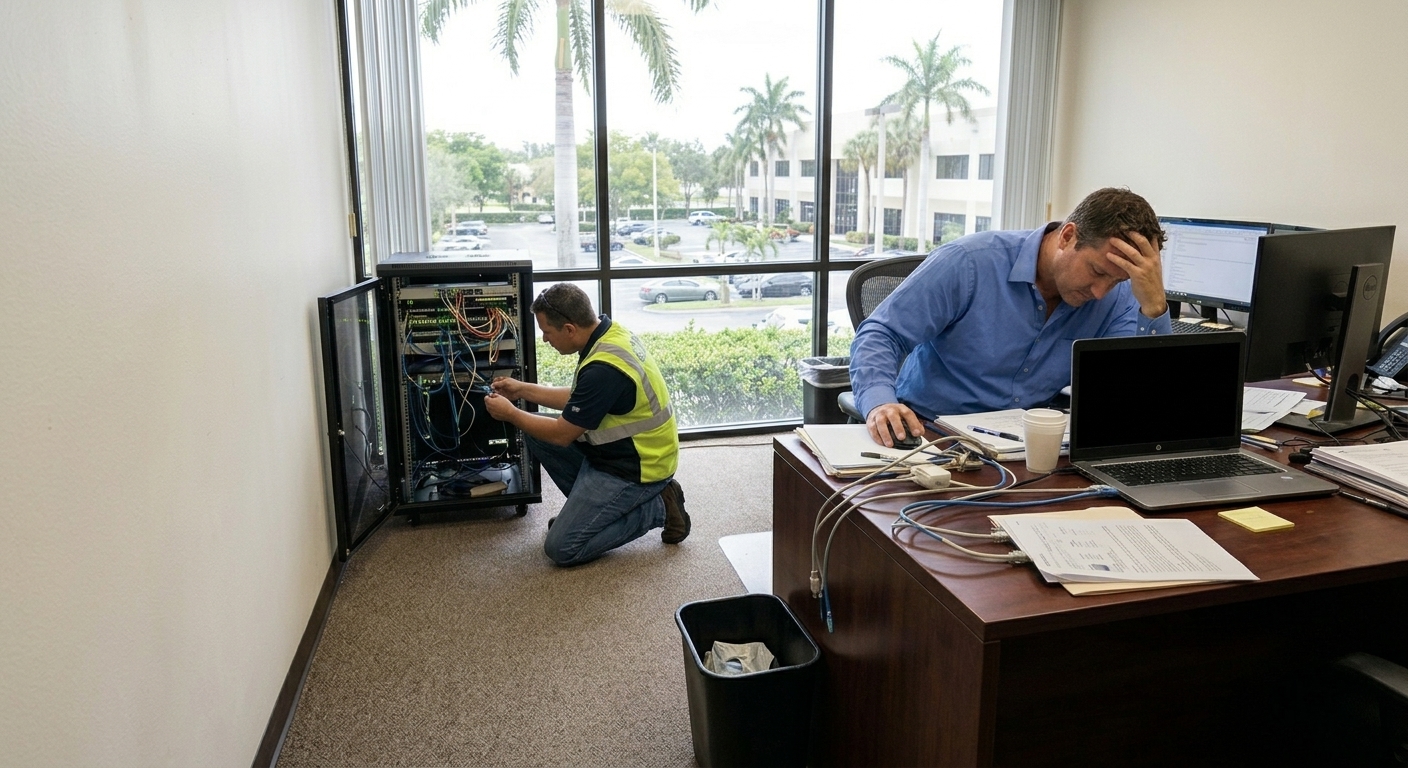
Your devices are faster. Your software is cloud-based. Your team needs bandwidth that didn't exist a decade ago. But if the cables connecting everything together can't keep up, none of that matters. You're essentially trying to run a modern business on outdated plumbing — and it shows.
The Difference Between Cat 5 and What Actually Works Now
Cat 5 cabling topped out at 100 Mbps. That was fine when email and spreadsheets were the heaviest lift. Cat 6 improved things — 1 Gbps, better frequency handling — but it's still playing catch-up with current demands. Most Miramar businesses that installed Cat 6 five or ten years ago thought they were future-proofing. They weren't. Technology moved faster.
Now we've got Cat 6a pushing 10 Gbps and Cat 7 going even further. These aren't luxury upgrades. They're what modern business applications expect. Cloud storage, VoIP systems, HD conferencing, real-time collaboration tools — all of it chokes on older cabling. The infrastructure has to match the workload, or you're just throwing good money at bad hardware.
When Your Network Starts Costing You Money
Slow cabling doesn't announce itself with an error message. It just drags everything down quietly until someone finally asks why the file share takes ten minutes or why the video meeting keeps dropping. By then, you've already lost hours of productivity across your team. Multiply that by weeks or months, and you're looking at real costs — not just frustration.
Here's where it hits hardest:
- Downloads and uploads that should take seconds stretch into minutes
- Cloud applications lag or timeout because the connection can't sustain the data flow
- Video calls pixelate or disconnect, making client meetings look unprofessional
- File transfers between workstations crawl, slowing collaborative work
- Remote access becomes unreliable, hurting off-site employees or branch locations
The Bandwidth Demand Keeps Climbing
Think about what your team was doing five years ago versus now. More video. More cloud software. More devices connected at once. Remote work went from occasional to standard. Every trend points toward higher bandwidth needs, not lower. And if your cabling was installed back when "streaming" meant a laggy YouTube video, it's not keeping pace.
Cat 5 and even Cat 6 weren't designed for the volume of simultaneous data modern businesses push through their networks. VoIP alone can strain old cabling when you've got multiple lines running. Add file servers, security cameras, IoT devices, and cloud backups happening in real time — and you've got a recipe for bottlenecks.
Signs Your Cabling Is the Weak Link
- Internet speeds test high at the modem but tank at individual workstations
- Network drops happen randomly, especially during peak usage
- Large files fail to transfer or timeout halfway through
- New equipment doesn't perform as advertised despite meeting specs
- Video conferencing quality varies wildly depending on who's logged in
Why Upgrading Isn't Optional Anymore
Replacing cabling sounds like a hassle. Disruption. Expense. Coordinating with a contractor. But leaving it in place costs more. Every delay, every dropped connection, every frustrated employee adds up. And when a client sees your video feed stutter during a pitch, that's not just a tech problem — it's a credibility problem.
Cat 6a and Cat 7 cabling don't just solve today's issues. They buy you runway for the next five to ten years. They handle higher speeds, reduce interference, and support the kind of growth most businesses don't even see coming yet. It's not about chasing the latest trend. It's about making sure your infrastructure doesn't become the thing holding you back when opportunity shows up.
What Good Cabling Actually Delivers
- Faster file transfers across the network, cutting wait times significantly
- Stable, high-quality video conferencing without lag or dropped calls
- Support for modern devices and applications that expect gigabit speeds or higher
- Room to grow as your business adds users, locations, or new technology
- Fewer service calls and troubleshooting sessions chasing phantom network issues

How to Know If You're Due for an Upgrade
If you installed your cabling before 2015, there's a good chance it's not keeping up. If you've added cloud software, more employees, or remote work capabilities since then, the strain is even worse. And if you've been blaming your internet provider or your router for problems that keep recurring, the real issue might be a few feet away inside the wall.
A professional network audit will tell you exactly where the bottlenecks are. It's not guesswork. Techs can measure throughput, check for interference, and pinpoint whether the cabling or something else is causing the drag. Most Miramar businesses that go through this process find out their cabling is the culprit — and fixing it solves a dozen other "mysterious" problems at once.
Choosing Someone Who Knows What They're Doing
Not all cabling contractors are the same. You want someone who's done commercial installs, understands current standards, and won't leave you with a mess of unlabeled cables and half-documented work. Ask for references. Check certifications. Make sure they're using quality materials, not budget knockoffs that'll fail in two years.
The right contractor will map out your current setup, recommend the best cabling for your specific needs, and schedule the work to minimize disruption. They'll also document everything so future upgrades or troubleshooting don't turn into archaeology projects. Good cabling work is invisible once it's done — but you'll feel the difference every time you hit "send" on a large file or join a video call that doesn't stutter.
What Happens When You Finally Upgrade
- Network speeds match what your internet plan and equipment promise
- Employees stop complaining about lag, drops, or slow transfers
- Cloud applications respond instantly instead of buffering
- Video calls look professional, even with multiple participants
- You're ready for whatever tech comes next without scrambling to retrofit old cables
The Cost of Waiting Keeps Adding Up
Every month you delay upgrading your cabling is another month of lost productivity, frustrated staff, and missed opportunities. The longer old infrastructure stays in place, the more it drags on everything else you're trying to do. New software doesn't run right. New hires wonder why the network is so slow. Clients notice when your tech doesn't work smoothly during meetings.
Upgrading isn't cheap, but neither is limping along on cabling that can't handle modern demands. The ROI shows up fast — faster workflows, fewer support headaches, better employee morale, and the confidence that your network can actually support the business you're building. Miramar's a competitive market. Don't let your cabling be the reason someone else wins the deal you should have closed.
If your business phone systems in South Florida are underperforming due to inadequate data cabling in Broward County, it's time to assess your network infrastructure. Many businesses across South Florida face similar challenges, and upgrading to modern cabling standards can resolve these issues while supporting future growth. Professional services can evaluate your current setup and implement solutions tailored to your business needs.
Let’s Future-Proof Your Network Together
We know how critical a fast, reliable network is for your business to thrive in Miramar. Don’t let outdated cabling keep you from reaching your goals or frustrate your team any longer. Let’s talk about how we can upgrade your infrastructure and set you up for success. Call us at 954-340-6880 or get a free consultation to get started on a smoother, faster network today.
‹ Back
Recent Posts
-
Is Your Cat 5/6 Cabling in Miramar Slowing Your Business?
October 23, 2026
-
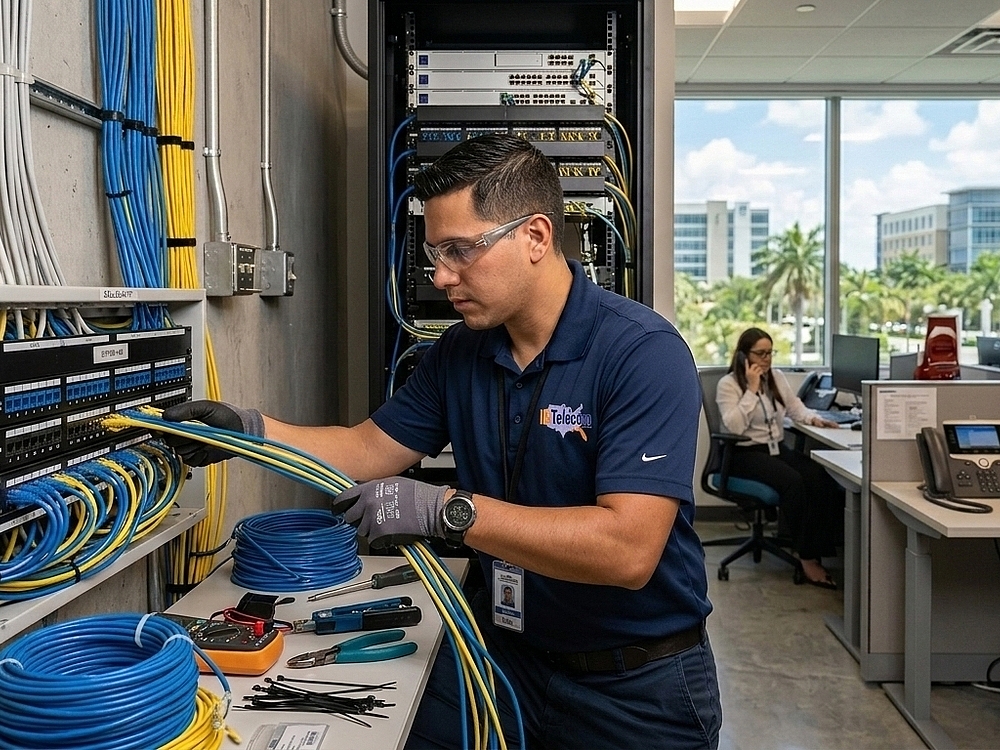
Can Better Voice Cabling in Miramar Improve Call Quality?
October 9, 2026
-
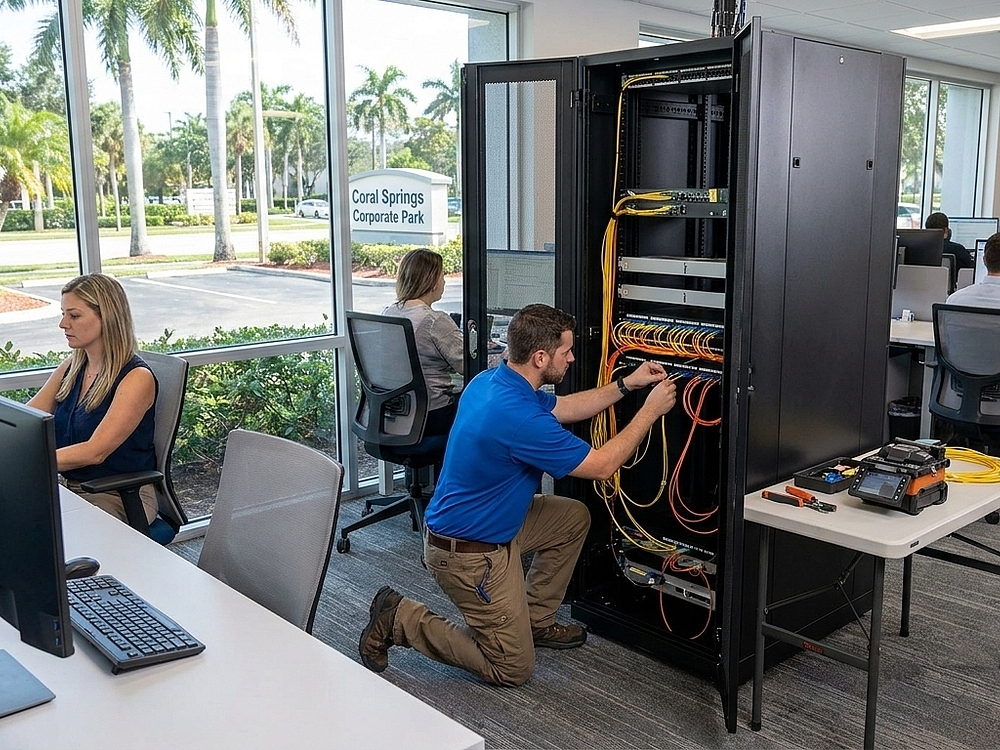
Is Fiber Optic Cabling in Pembroke Pines a Smart Move for Your Office?
September 25, 2026
-

Signs Your Network Cabling in Pembroke Pines Needs an Upgrade
September 11, 2026
-
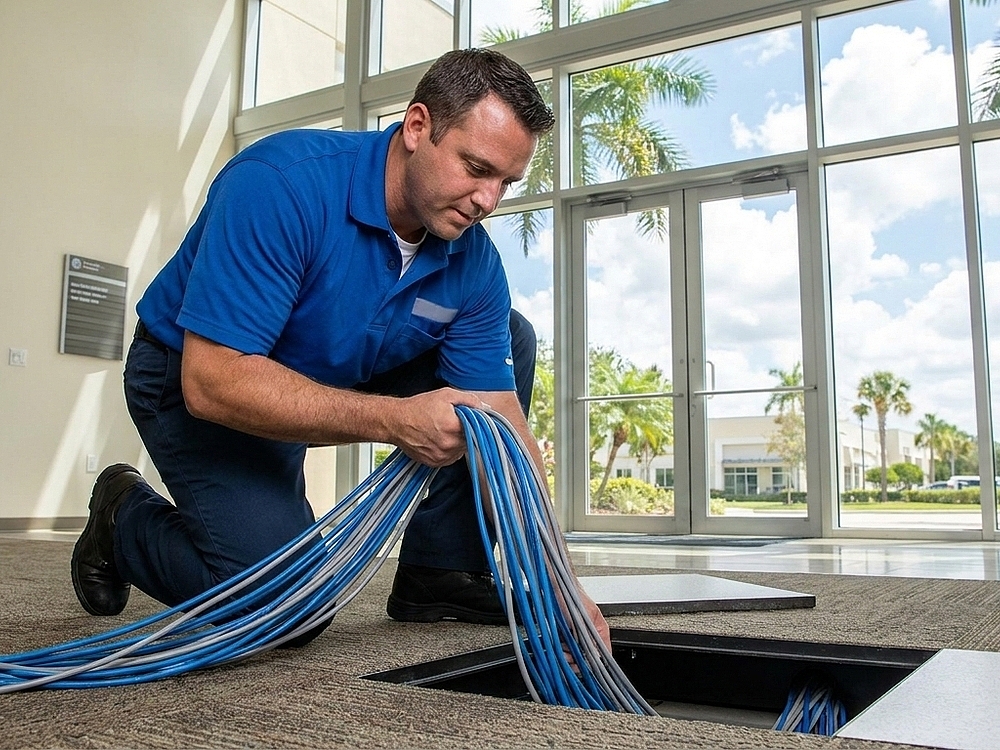
Is It Time to Upgrade Your Data Cabling in Pembroke Pines?
August 28, 2026