

ID Telecom & Data, Inc. is a trusted Coral Springs business phone systems and structured cabling provider. As a family-owned cabling contractor, we specialize in VoIP services, voice and data cabling, network infrastructure, and complete telecommunications solutions from leading brands like Avaya, Samsung, Nortel, and NEC. Our certified cabling technicians handle everything from new system installations to maintenance, surge protection, and equipment upgrades. Whether you need fiber optic cabling, Cat 5/6 installation, low voltage cabling, office cabling solutions, phone system repairs, or a custom business communications setup, our AAA-rated BBB service delivers reliable solutions. Contact ID Telecom & Data, Inc. at 954-340-6880 for a free consultation and experience our professional telecommunications and network cabling expertise.
Is Fiber Optic Cabling in Pembroke Pines a Smart Move for Your Office?
Most business owners think internet speed is just about convenience. Fast downloads, smooth video calls. But your network does more than connect devices — and if you don't realize that, you're setting yourself up for trouble. Fiber optic cabling may look like a flashy upgrade, but it leaves a footprint on everything from productivity to how long your infrastructure lasts. Especially if you're scaling or running mission-critical operations.
So here's the deal. If you're investing in infrastructure that supports something real, that's smart. Just don't treat it like a plug-and-play gadget. Every cable should be installed right. Every decision needs to be grounded in how your team uses the network — not just how fast the sales pitch sounded.
Speed That Actually Changes How You Work
Copper lines hit a wall. You can upgrade your router, tinker with settings, and still end up bottlenecked when half the office is on Zoom and the other half is uploading to the cloud. Fiber doesn't play that game. It delivers bandwidth that scales with your workload, not against it.
We're talking about the kind of speed that lets your team move without waiting. Large file transfers that used to take twenty minutes? Done in two. Video calls that used to freeze mid-sentence? Clear from start to finish. When your network can keep up, your people stop working around it and start working through it.
Reliability You Don't Have to Babysit
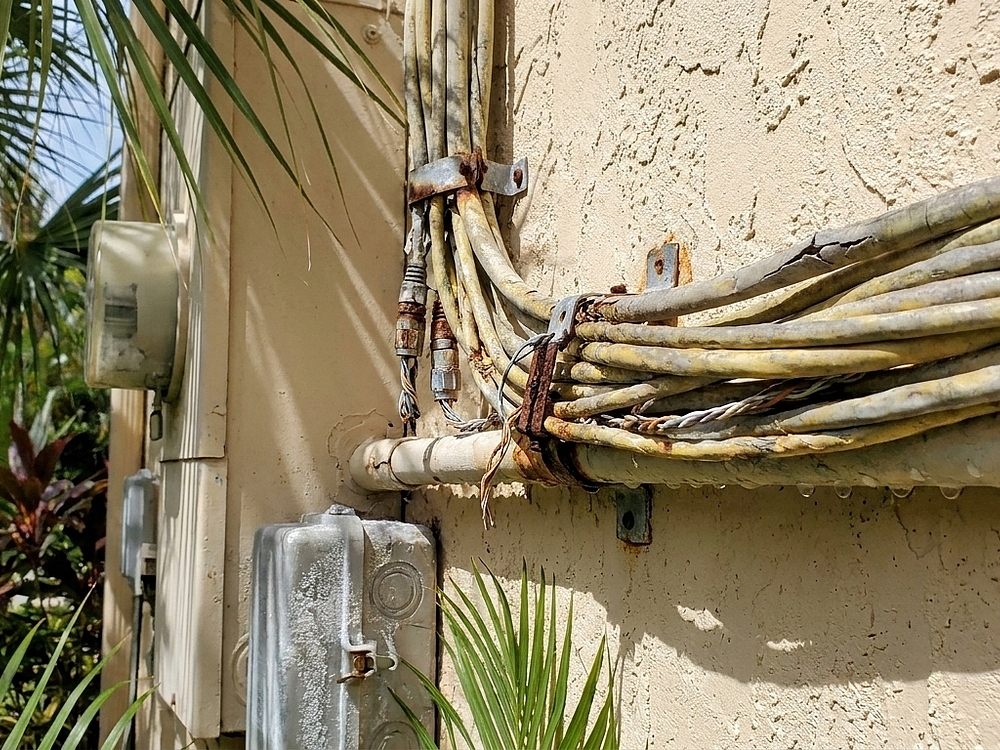
Copper degrades. Weather messes with it. Electrical interference knocks it offline. In South Florida, where storms roll through and humidity never quits, traditional cabling is a liability. Fiber optic lines don't care about any of that. They're built to resist interference, handle distance without signal loss, and stay consistent when conditions get rough.
That means fewer outages. Less downtime. And way less time spent on the phone with your IT team trying to figure out why half the office can't access the server. Reliability isn't sexy, but it's the difference between smooth operations and constant firefighting.
When Copper Just Won't Cut It Anymore
Your office isn't static. You're adding people, expanding services, integrating new tools. Every time you grow, your network has to grow with you — and copper has a ceiling. Fiber doesn't. It's designed to handle bandwidth demands that haven't even hit the market yet.
Here's where that matters most:
- Cloud-based software becomes standard, not a strain
- Remote work setups stay stable without lag
- Multiple departments can run heavy applications at once
- Future tech integrations don't require another infrastructure overhaul
- Your network stays competitive as industry standards evolve
Security Built Into the Line
Data breaches don't just happen through phishing emails. They happen when someone taps into your network signal. Copper cables broadcast electrical signals that can be intercepted with the right equipment. Fiber uses light. You can't tap light without physically cutting the cable — and when you do, the connection drops and alerts get triggered.
That's a layer of protection most businesses overlook. If you're handling client data, financial records, or anything remotely sensitive, fiber gives you a structural advantage. It's not foolproof, but it's a hell of a lot harder to compromise than the alternative.
What It Actually Takes to Install
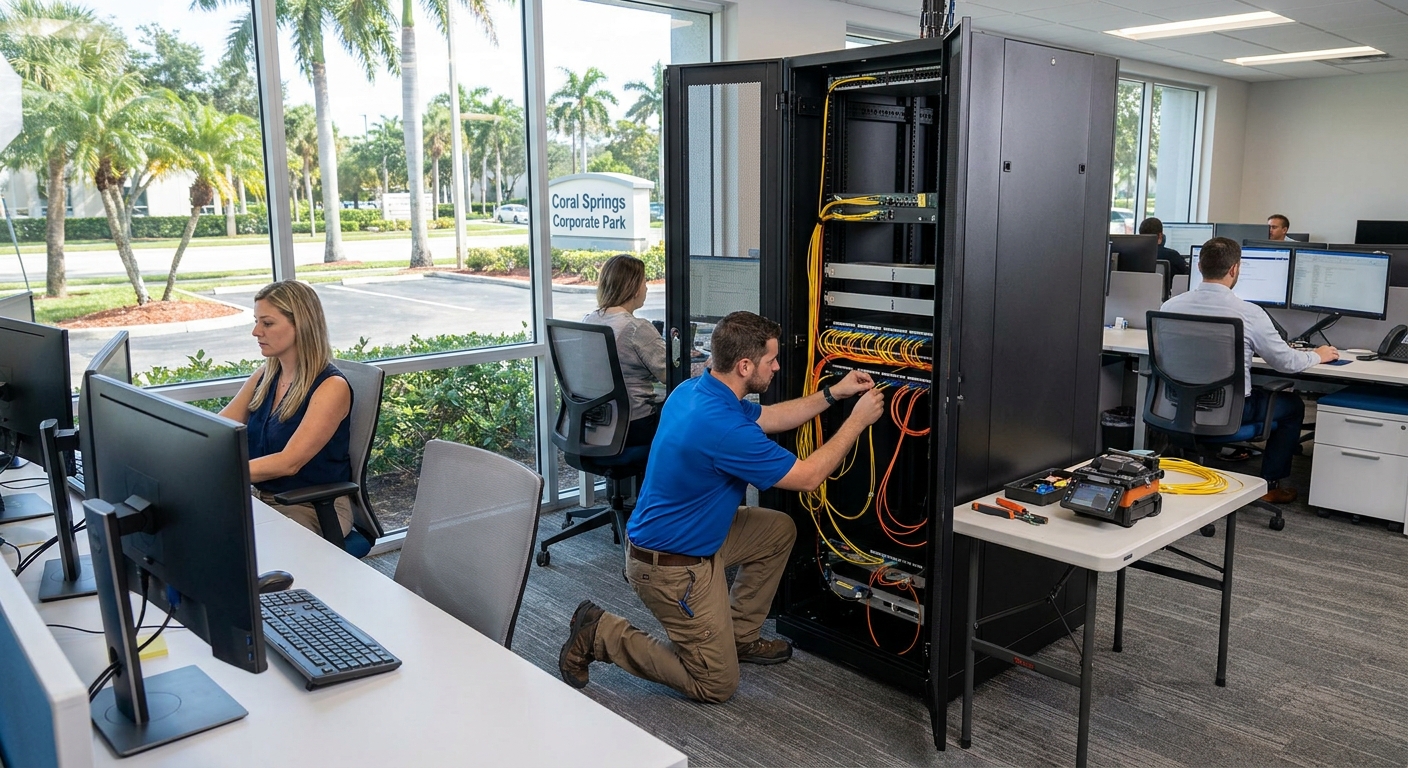
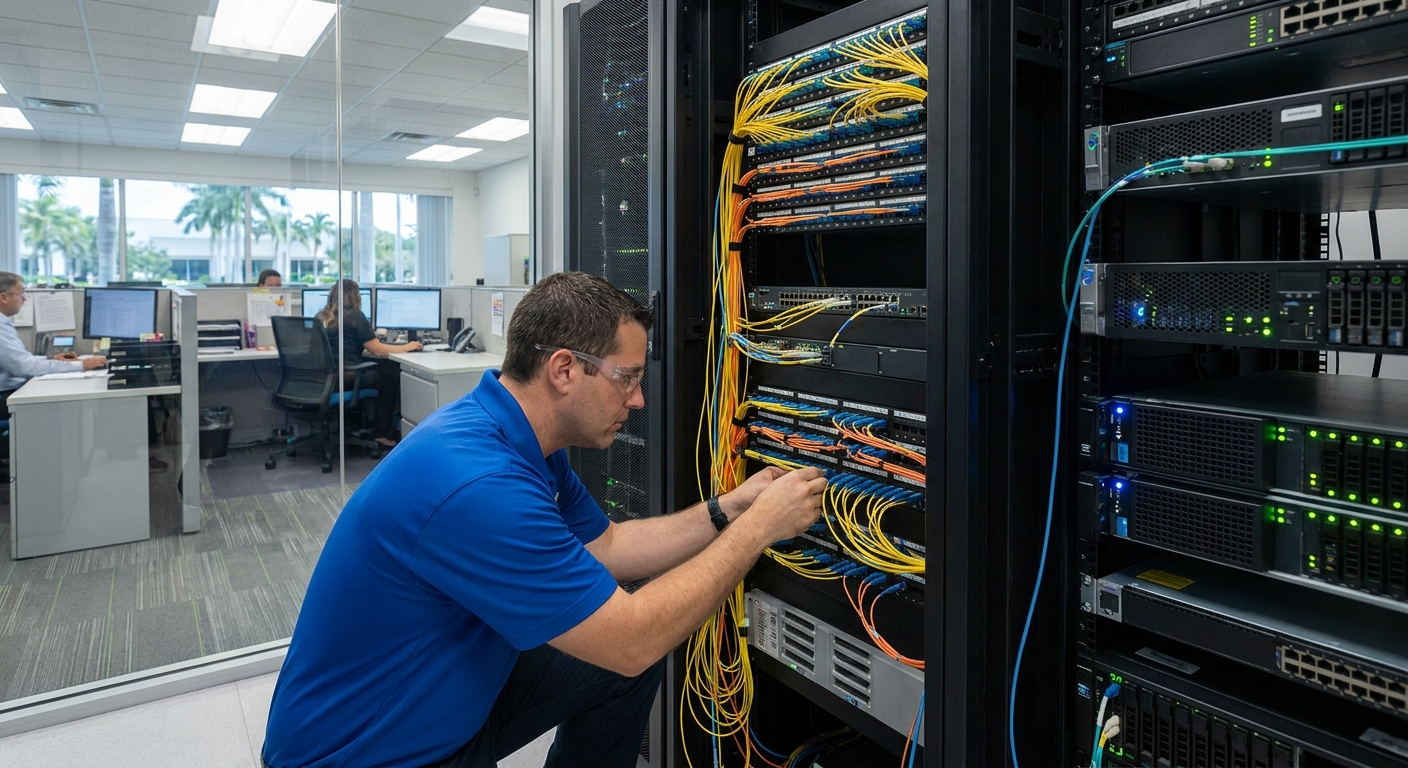
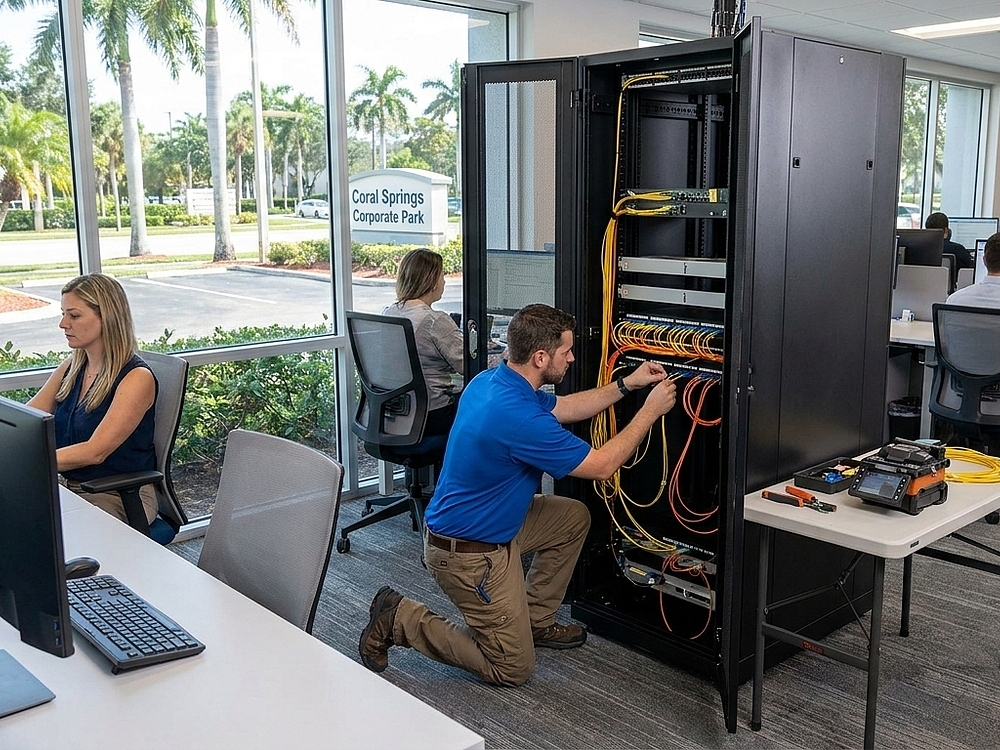
Fiber isn't a DIY project. You need certified techs who know how to handle delicate glass strands, terminate connections cleanly, and test the line for integrity. Poor installation can cost you speed, reliability, and money when you have to redo it.
Here's what proper installation includes:
- Site assessment to map out cable routes and access points
- Professional splicing and termination of fiber strands
- Testing with optical time-domain reflectometers to verify signal strength
- Documentation of the entire setup for future maintenance
- Integration with your existing network hardware and software
The Cost Question No One Wants to Ask
Fiber costs more upfront. That's not a secret. The materials are pricier, the labor is specialized, and the equipment isn't sitting on a shelf at the hardware store. But here's what most people miss: the long-term cost structure flips in your favor.
You're not replacing cables every few years. You're not losing productivity to slow speeds or outages. You're not paying for emergency repairs when a storm knocks out your copper lines. The initial hit stings, but the ongoing savings and performance gains more than make up for it — especially when your competitors are still limping along on outdated infrastructure.
Availability Isn't Universal Yet
Pembroke Pines is expanding fiber access, but not every block has it. Some commercial zones are fully wired. Others are still waiting for providers to extend their networks. Before you commit to anything, check what's available at your exact location.
If fiber isn't at your door yet, find out when it will be. Ask about installation timelines, service agreements, and whether your building needs any prep work. Don't assume it's ready just because the city has coverage — verify your address first.
Where Businesses Screw This Up
Plenty of offices install fiber and then wonder why it's not performing. The problem isn't the cable — it's how they set it up.
Here's where things go sideways:
- Mixing fiber with outdated routers that can't handle the speed
- Skipping proper testing during installation
- Ignoring cable management, leading to physical damage over time
- Failing to train staff on how the new network operates
- Not documenting the setup for future troubleshooting
How to Know If Your Office Needs It
Not every business needs fiber tomorrow. If you're running a small operation with minimal cloud use and no plans to scale, copper might hold up fine. But if any of these apply to you, fiber is worth the conversation.
You're dealing with constant slowdowns during peak hours. Your team works remotely and needs consistent upload speeds. You handle large files, video production, or data-heavy applications. You're planning to grow and don't want to rip out cabling again in three years. You care about security and want infrastructure that's harder to compromise.
What Professional Installation Gets You
Hiring pros isn't just about avoiding mistakes. It's about getting a system that's designed for your specific needs, not a one-size-fits-all setup. The right team will assess your space, map out optimal routes, and integrate fiber with your existing hardware so everything works together.
They'll also handle the boring but critical stuff:
- Pulling permits if your building requires them
- Coordinating with property management for access
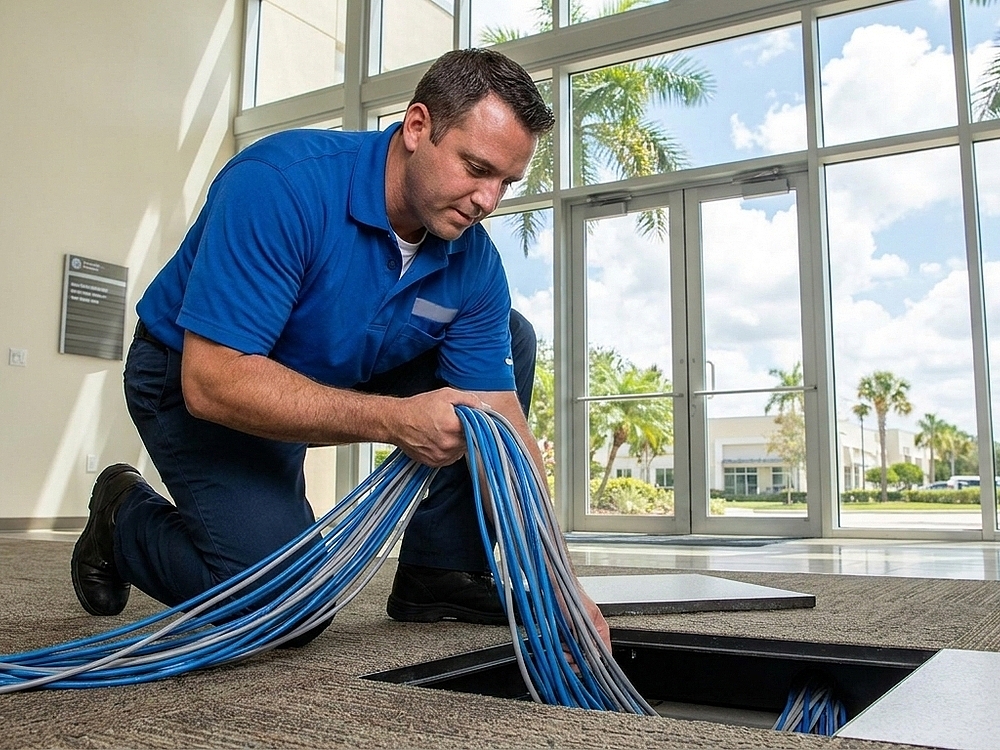
- Running cables through walls, ceilings, or conduit without creating a mess
- Testing every connection before they call it done
- Providing support after installation if issues come up
Infrastructure That Pays Off
Switching to fiber isn't just about speed. It's about building a foundation that supports how your business actually operates — and how it will operate five years from now. You're not buying a faster internet connection. You're buying stability, security, and the ability to scale without starting over.
At the end of the day, infrastructure isn't flashy. But when it works, your team doesn't have to think about it. They just work. And when it doesn't, everything grinds to a halt. Professional cabling voice data wiring gives you one less thing to worry about — and one more competitive advantage over the businesses still limping along on yesterday's technology. Whether you need structured voice and data cabling in Coral Springs or data cabling in Broward County, working with experienced providers ensures your business phone systems in South Florida operate at peak performance. For comprehensive support, explore our full range of services and discover why businesses across Broward County trust us with their communications infrastructure.
Let’s Future-Proof Your Office Together
Upgrading to fiber optic cabling is more than a technical decision—it’s a commitment to smoother workflows, stronger security, and a network that grows with your business. If you’re ready to leave slowdowns and outages behind, let’s talk about what’s possible for your office. Call us at 954-340-6880 or get a free consultation and see how we can help you build a smarter, faster foundation for your team’s success.
‹ Back
Recent Posts
-
Is Fiber Optic Cabling in Pembroke Pines a Smart Move for Your Office?
September 25, 2026
-

Signs Your Network Cabling in Pembroke Pines Needs an Upgrade
September 11, 2026
-
Is It Time to Upgrade Your Data Cabling in Pembroke Pines?
August 28, 2026
-
-