
ID Telecom & Data, Inc. is a trusted Coral Springs business phone systems and structured cabling provider. As a family-owned cabling contractor, we specialize in VoIP services, voice and data cabling, network infrastructure, and complete telecommunications solutions from leading brands like Avaya, Samsung, Nortel, and NEC. Our certified cabling technicians handle everything from new system installations to maintenance, surge protection, and equipment upgrades. Whether you need fiber optic cabling, Cat 5/6 installation, low voltage cabling, office cabling solutions, phone system repairs, or a custom business communications setup, our AAA-rated BBB service delivers reliable solutions. Contact ID Telecom & Data, Inc. at 954-340-6880 for a free consultation and experience our professional telecommunications and network cabling expertise.
Is Your Low Voltage Cabling in Miramar Ready for Today's Technology?
Most property owners think cabling is just about wires in the walls. Run the line, plug in the devices, call it done. But the demands on your network tell a different story — and if you're still running outdated infrastructure, you're setting yourself up for failure. Your cables may be out of sight, but they're the backbone of everything that matters. Especially when bandwidth, speed, and reliability are on the line.
Here's the reality. If you're investing in smart systems, security cameras, or high-speed connectivity, that's smart. Just don't assume the cabling behind the scenes can handle it. Every device pulls data. Every connection needs capacity. And every tech upgrade should be grounded in whether your infrastructure can support it — not just whether it looks clean on install day.
When Old Cabling Becomes a Bottleneck
Most of the time, slow performance isn't about your router or your service plan. It's the wiring. You can have gigabit internet and top-tier equipment, but if the cables feeding your network are outdated, you're throttling yourself before you even start. Cat5 cables worked fine a decade ago. They don't cut it now.
And if that cabling was installed without proper planning? You're looking at interference, signal loss, and headaches every time you scale up. We saw this play out when businesses rushed to remote setups during the pandemic. Plenty of offices thought their infrastructure was solid — it wasn't. And when video calls started freezing or uploads crawled, the problem traced back to cables that couldn't keep pace.
The Standards That Actually Matter
You can't just patch together a network and hope for the best. Modern systems need modern cabling. The good news? The right cable types are built to handle what's coming next, not just what's here now.
Here's where the specs make a difference:
- Cat6 and Cat6a: These support gigabit speeds and reduced crosstalk. They're the baseline for most commercial and residential builds today.
- Fiber optic: When distance or bandwidth becomes critical, fiber handles it. It's faster, more reliable, and future-proof for high-demand environments.
- Coaxial for legacy systems: Still useful for certain video setups, but it's being phased out in favor of IP-based solutions.
- Shielded vs. unshielded: Shielded cabling reduces electromagnetic interference, which matters in environments with heavy equipment or dense wiring.
- Plenum-rated cables: Required in air-handling spaces for fire safety. Non-negotiable in commercial builds.
What Happens When You Ignore the Foundation
Think you can skimp on cabling and make up for it with better hardware? Think again. Poor infrastructure creates problems that expensive routers and switches can't fix.
The issues stack up fast. Dropped connections during critical tasks. Security cameras that lag or lose signal. VoIP systems that cut out mid-call. And if you're trying to add devices to an overloaded network, you're asking for slowdowns across the board. Even if your equipment is solid, the cables beneath won't lie. If they're maxed out or improperly terminated, performance tanks.
Why Professional Installation Isn't Optional
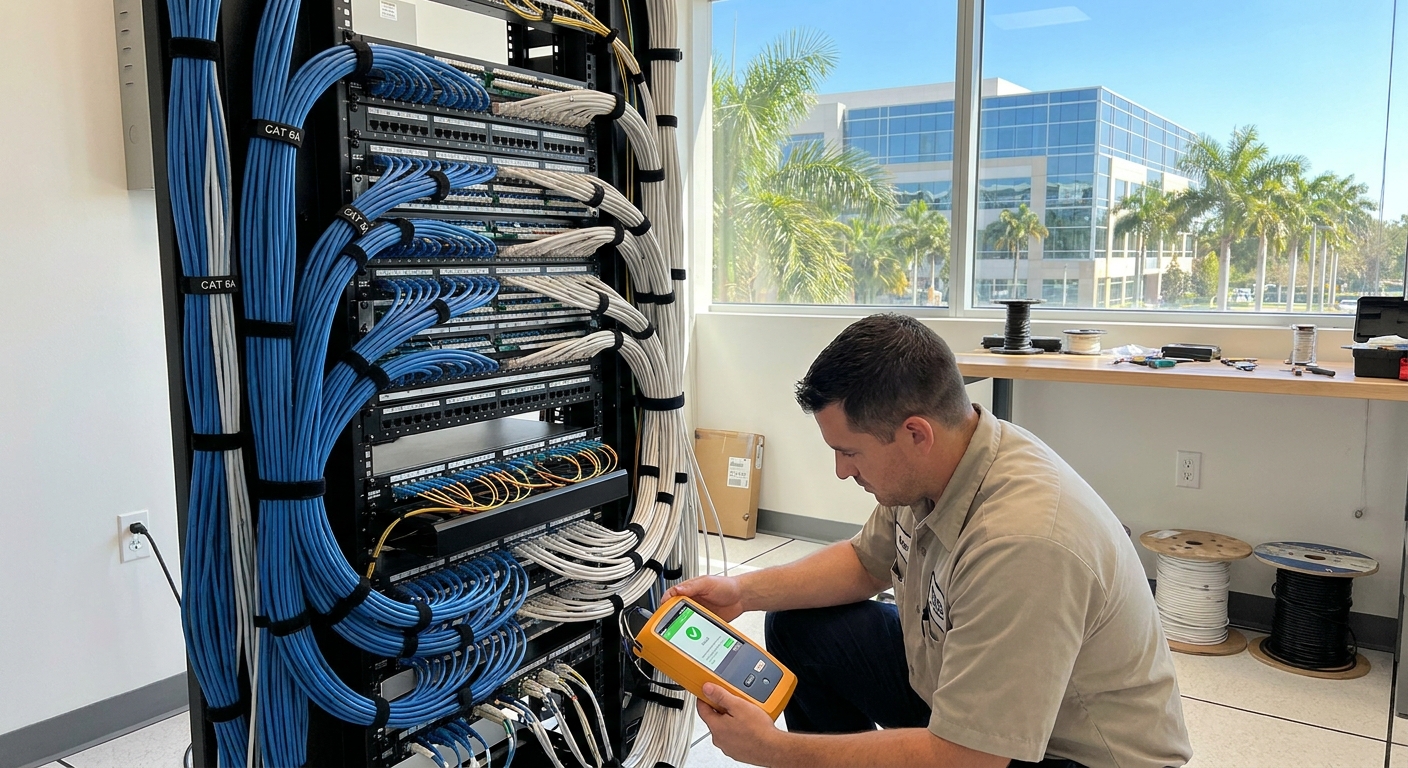
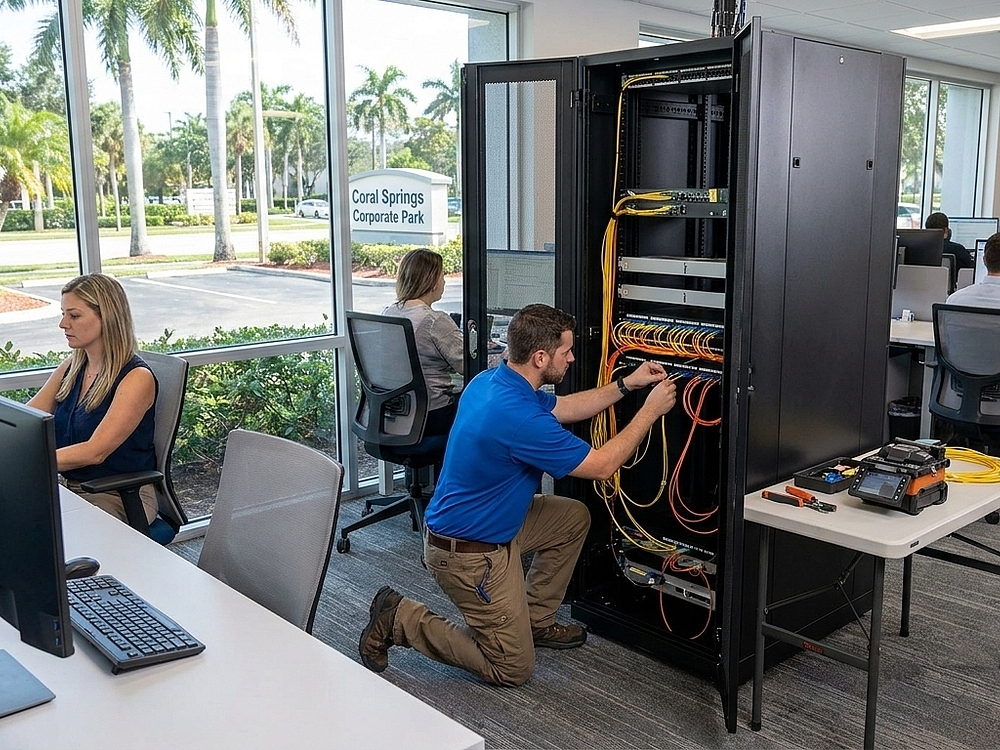
Want your cabling to perform? It needs to be installed correctly from day one. That means proper routing, clean terminations, organized patch panels, and testing at every stage.
Here's what solid installation includes:
- Cable runs that avoid interference from electrical lines and fluorescent lights
- Correct bend radius to prevent signal degradation
- Labeled cables and structured panels for easy troubleshooting
- Testing with certification tools to verify performance standards
- Documentation that maps your entire infrastructure for future upgrades
Red Flags That Your System Is Struggling
You don't need to be a network engineer to spot the warning signs. If your tech is acting up, the cabling is a likely suspect.
Watch for these indicators:
- Intermittent connectivity that comes and goes without explanation
- Devices that work fine on WiFi but fail when hardwired
- Security footage that pixelates or skips frames
- Slow file transfers between local devices on the same network
- Physical damage like exposed wires, chewed insulation, or loose connectors
Planning for What Comes Next
Technology doesn't slow down. The systems you install today will need to support devices and applications you haven't even purchased yet. That's why forward-thinking infrastructure matters. Cutting corners on cabling now means costly retrofits later.
If you're expanding your office, upgrading security, or adding IoT devices, your cabling plan should account for growth. Run extra lines. Use higher-grade cable. Build capacity into the design. It's cheaper to do it right the first time than to tear open walls and start over when your network can't scale.
Where Miramar Properties Fall Short
Plenty of buildings in Miramar were wired years ago, when demands were lighter and standards were lower. Those installations worked fine for their time. But plug in today's load, and the cracks show up fast. Offices that added dozens of devices without upgrading infrastructure. Homes that expanded smart systems on cabling that was never designed for it. Properties that skipped professional installs to save money, only to pay more fixing problems down the road.
If your building hasn't had a cabling audit in the last five years, it's time. And if you're still running Cat5 or older, you're overdue for an upgrade.
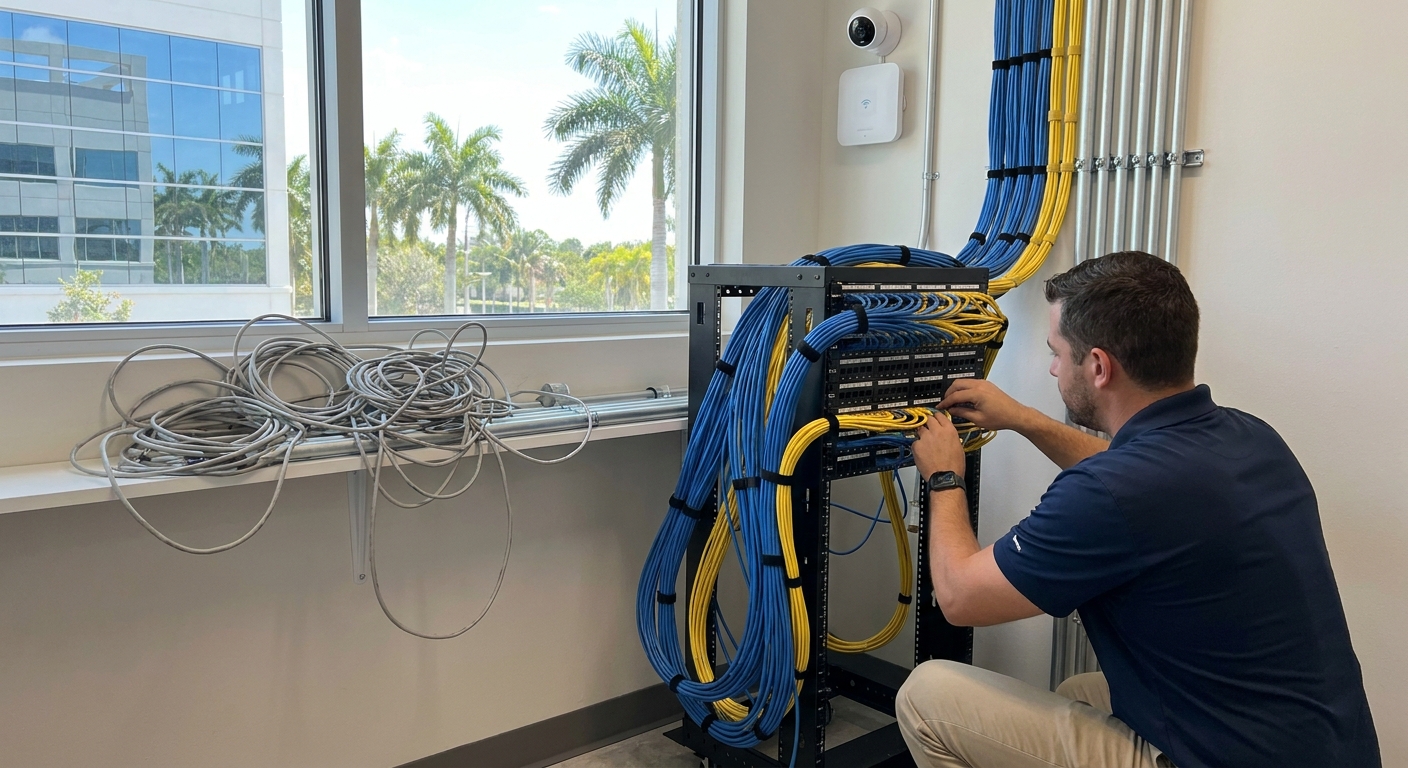
Working with Experts Who Know the Territory
A proper cabling assessment doesn't just look at what's in your walls. It evaluates your current usage, anticipates future needs, and identifies weak points before they cause downtime.
Here's what a qualified contractor brings:
- Knowledge of local codes and commercial building requirements in Miramar
- Experience with both retrofit projects and new construction
- Access to quality materials and certification testing equipment
- Clear documentation and labeling for ongoing maintenance
- Support for troubleshooting and expansion as your needs evolve
Strong Infrastructure Pays Off Long Term
Upgrading your low voltage cabling isn't just about fixing today's problems. It's about avoiding tomorrow's. Every dollar spent on quality infrastructure saves time, frustration, and emergency repair costs down the line. And when your systems run smoothly, your business moves faster, your tenants stay satisfied, and your property holds value.
At the end of the day, your network is only as strong as the cables feeding it. If those cables can't deliver, nothing else matters. In South Florida, where competition is tight and expectations are high, outdated cabling isn't just inconvenient — it's a liability. For comprehensive support with voice and data wiring, working with experienced professionals who understand data cabling in Broward County ensures your infrastructure becomes the advantage that keeps you moving forward.
Let's Future-Proof Your Network Together
We know how critical reliable cabling is for your business or home in Miramar. If you're ready to eliminate slowdowns and set your property up for the next wave of technology, let's talk about your options. Call us at 954-340-6880 or get a free consultation and see how we can help you build a network that’s ready for anything.
‹ Back
Recent Posts
-
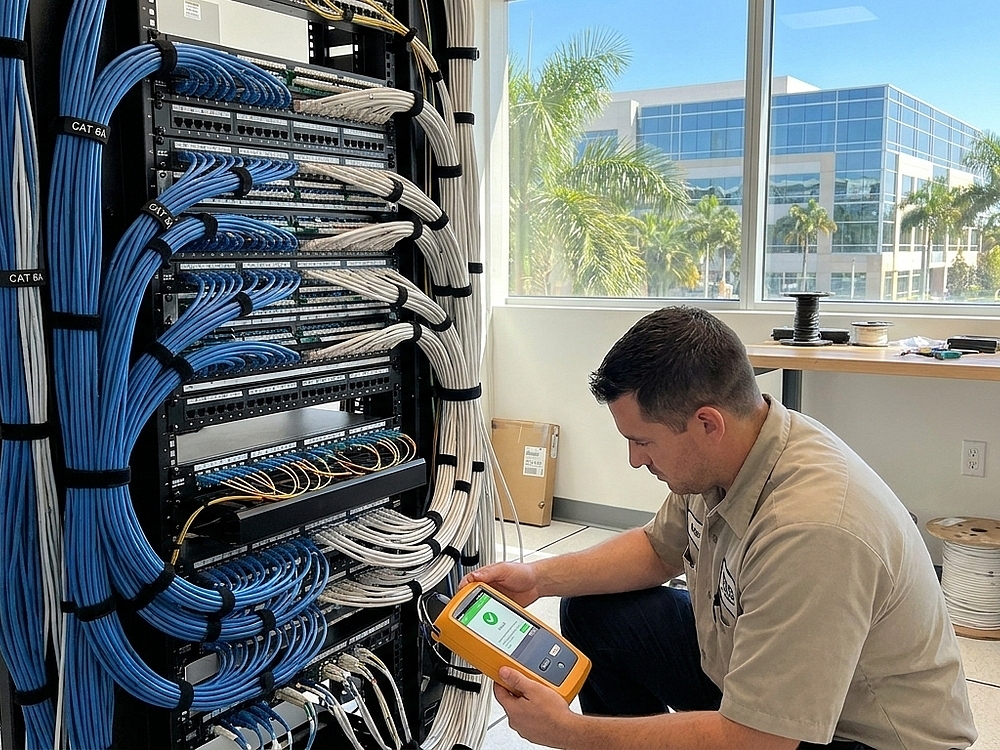
Is Your Low Voltage Cabling in Miramar Ready for Today's Technology?
November 6, 2026
-
Is Your Cat 5/6 Cabling in Miramar Slowing Your Business?
October 23, 2026
-
Can Better Voice Cabling in Miramar Improve Call Quality?
October 9, 2026
-
Is Fiber Optic Cabling in Pembroke Pines a Smart Move for Your Office?
September 25, 2026
-

Signs Your Network Cabling in Pembroke Pines Needs an Upgrade
September 11, 2026