

ID Telecom & Data, Inc. is a trusted Coral Springs business phone systems and structured cabling provider. As a family-owned cabling contractor, we specialize in VoIP services, voice and data cabling, network infrastructure, and complete telecommunications solutions from leading brands like Avaya, Samsung, Nortel, and NEC. Our certified cabling technicians handle everything from new system installations to maintenance, surge protection, and equipment upgrades. Whether you need fiber optic cabling, Cat 5/6 installation, low voltage cabling, office cabling solutions, phone system repairs, or a custom business communications setup, our AAA-rated BBB service delivers reliable solutions. Contact ID Telecom & Data, Inc. at 954-340-6880 for a free consultation and experience our professional telecommunications and network cabling expertise.
How South Florida Businesses Plan Low Voltage Cabling
Most business owners think cabling is just about plugging things in. Wires in, data out. But the reality is messier — and if you don't plan it right, you're asking for downtime. Low voltage systems may not carry the same punch as electrical lines, but they do carry everything that matters: your network, your security, your phones, your cameras. Especially in South Florida, where humidity and hurricanes don't care about your uptime goals.
So here's the deal. If you're wiring infrastructure to support something real, that's smart. Just don't treat those cables like an afterthought. Every run should have a purpose. Every termination needs precision. And every decision should be grounded in how the system will be used — not just how it looked in the proposal.
What Low Voltage Actually Covers
Low voltage cabling isn't one thing. It's the entire nervous system of your operation. We're talking Ethernet runs for your network, fiber optic lines for speed, coax for legacy systems, and dedicated wiring for cameras, access control, and AV setups. These cables don't power your lights — they power your ability to communicate, transact, and secure your space.
In South Florida, where businesses range from waterfront hotels to tech hubs in Brickell, the demand for clean, scalable infrastructure is constant. You can't run a modern office on hope and Wi-Fi extenders. You need backbone. And that backbone starts with the right cable in the right place.
Figuring Out What You Actually Need
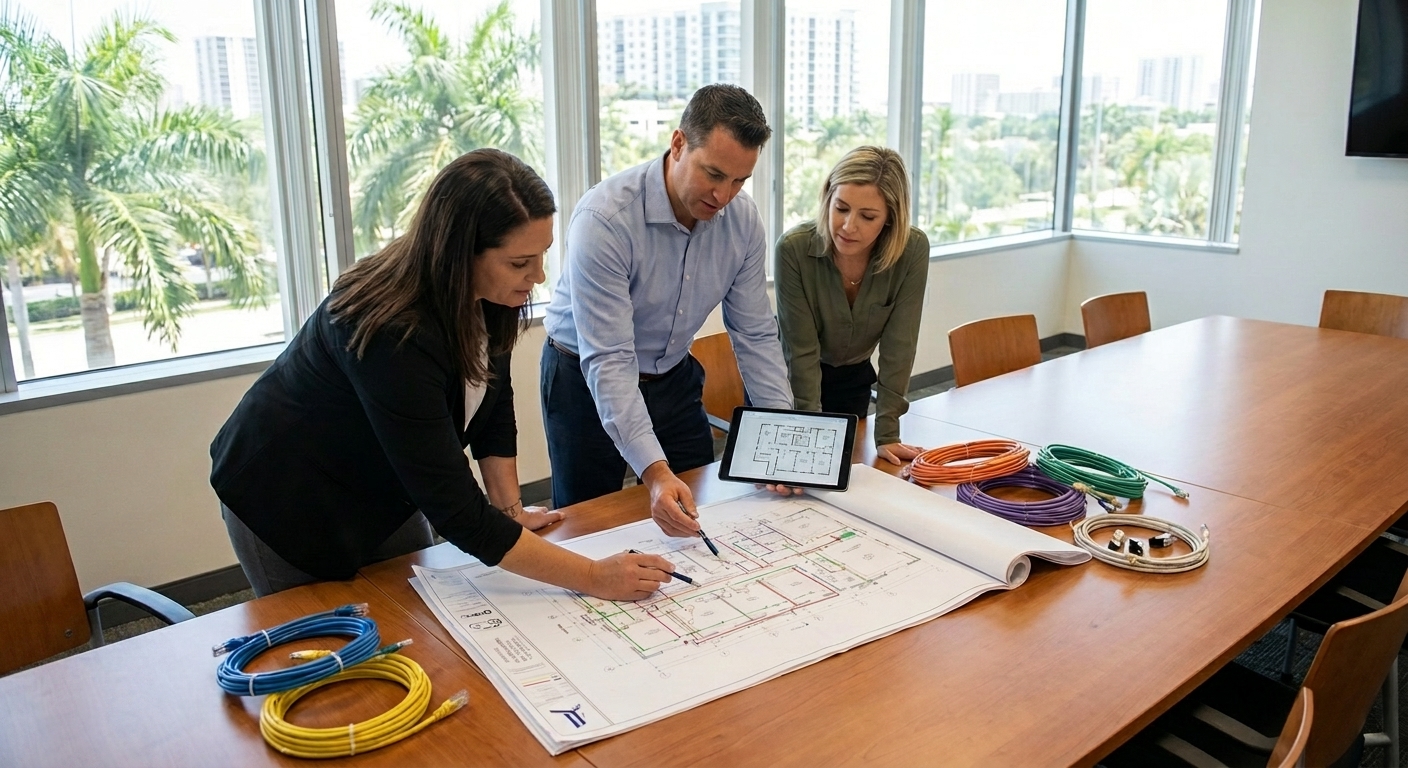
Before a single cable gets pulled, South Florida businesses dig into what they're really trying to accomplish. How many devices? What kind of bandwidth? Are you planning to double headcount in two years? These aren't hypothetical questions — they shape the entire build.
Most companies bring in a low voltage specialist or IT consultant to map it out. They walk the space, count the drops, and factor in growth. In a region where storms can knock out power and moisture can corrode connections, the conversation also includes redundancy and environmental protection. You don't want to rebuild your network every hurricane season.
Laying Out the Blueprint
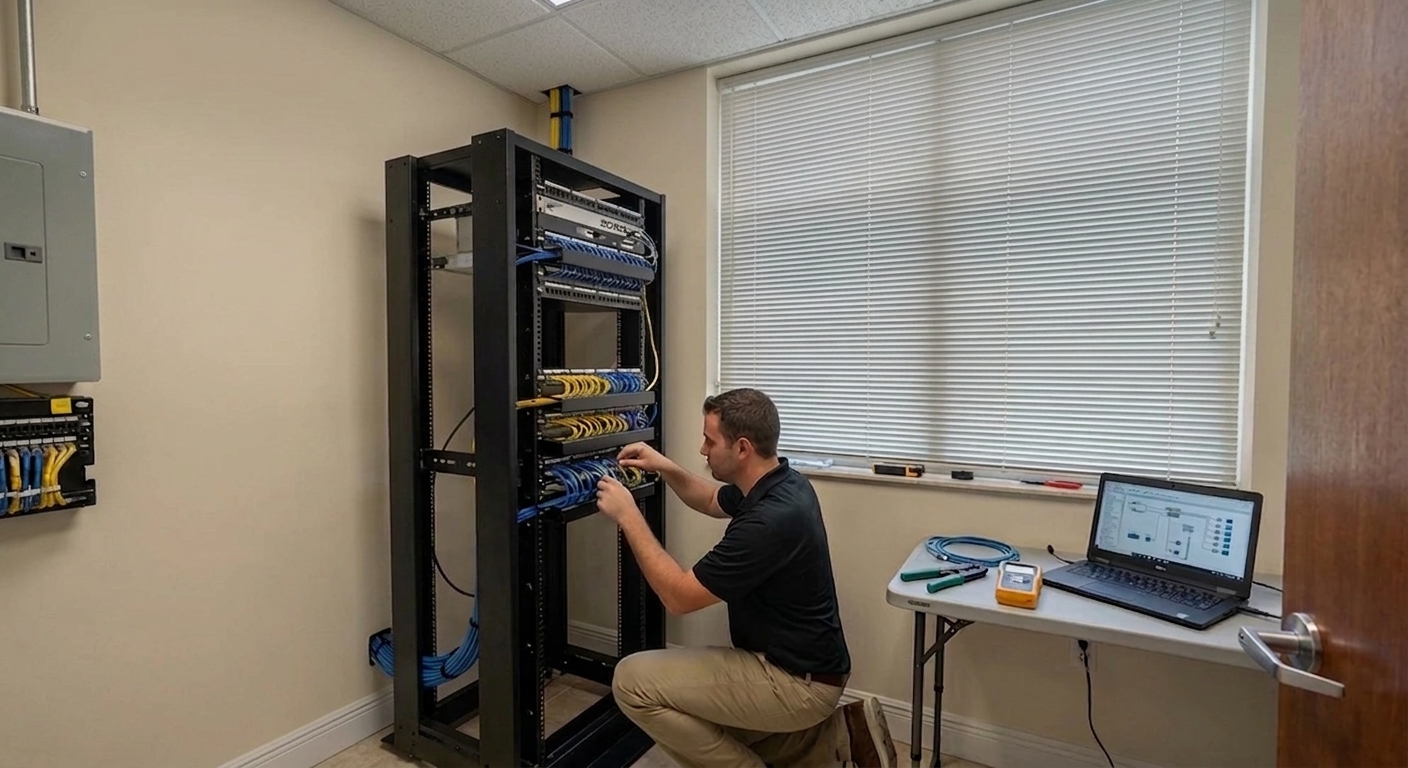
Once you know what you need, the next step is designing the actual infrastructure. That means blueprints, cable paths, patch panel layouts, and equipment racks. South Florida contractors who know local codes and environmental challenges are worth their weight in copper.
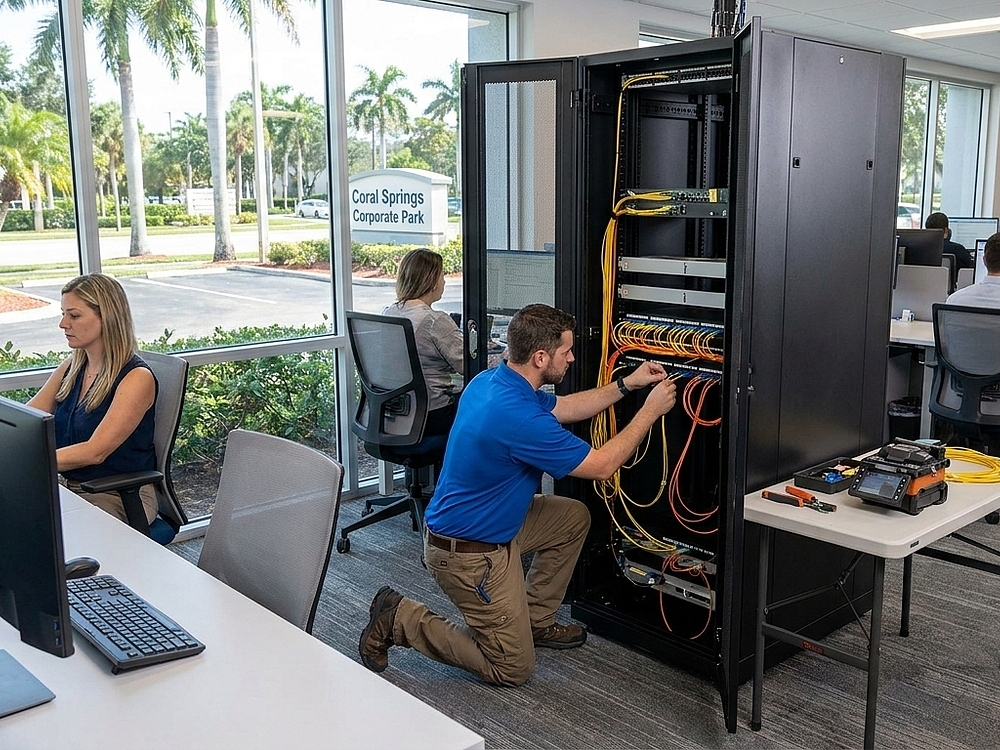
Good design minimizes cable length to cut signal loss. It keeps low voltage runs away from electrical interference. It plans for expansion without ripping out walls. Structured voice and data cabling is the go-to here — modular, organized, and easy to troubleshoot. When you need to add a new office or swap out a switch, you're not starting from scratch.
Picking Materials That Last
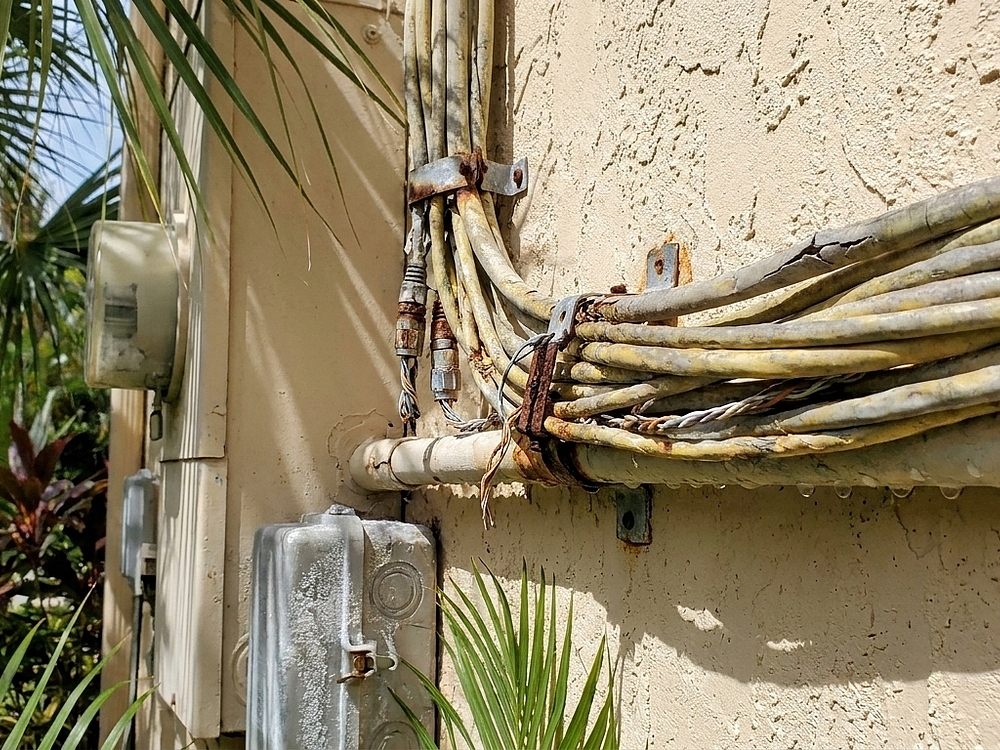
Not all cable is created equal. South Florida's climate — sticky, wet, and occasionally underwater — demands materials that can handle it. Plenum-rated cable is standard in air handling spaces because it won't turn into a fire hazard. Moisture-resistant jackets are non-negotiable if you're running anything outdoors or near HVAC.
Fiber optic is the heavy hitter when you need speed and distance. It laughs at electromagnetic interference and handles bandwidth like it's nothing. Copper Ethernet is still the workhorse for most small and mid-sized setups — cost-effective, reliable, and easy to terminate. The key is matching the material to the mission.
Running the Cable Without Wrecking the Place
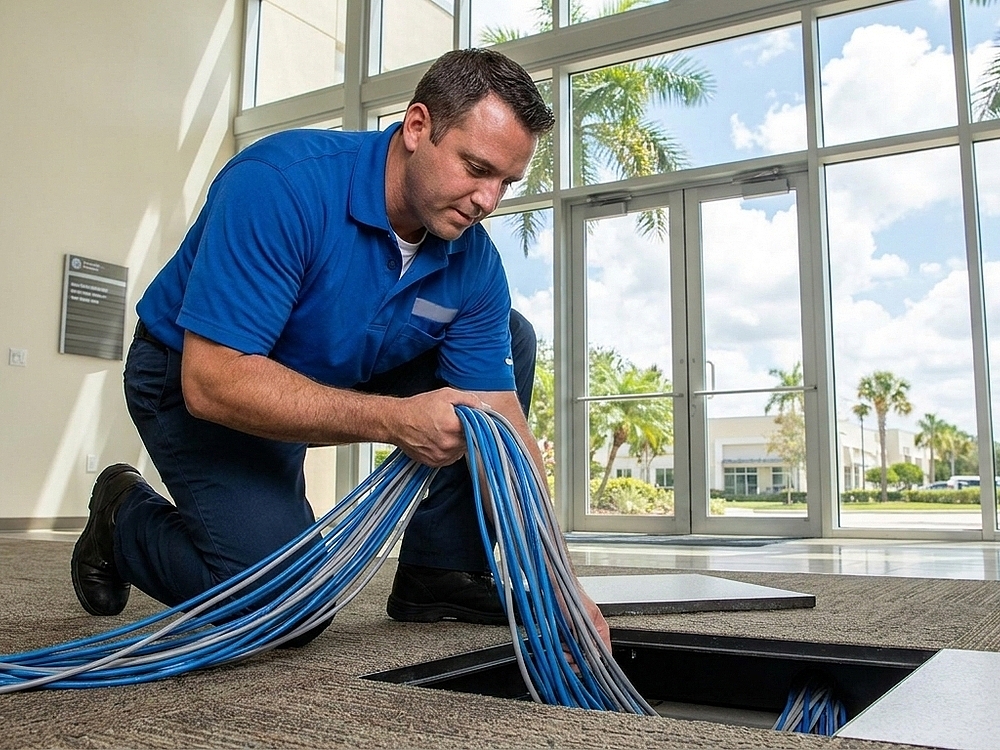
Installation is where theory meets drywall. Most South Florida businesses schedule this work after hours or on weekends to avoid disrupting operations. Installers fish cables through ceilings, walls, and conduit, securing everything to prevent sag or damage.
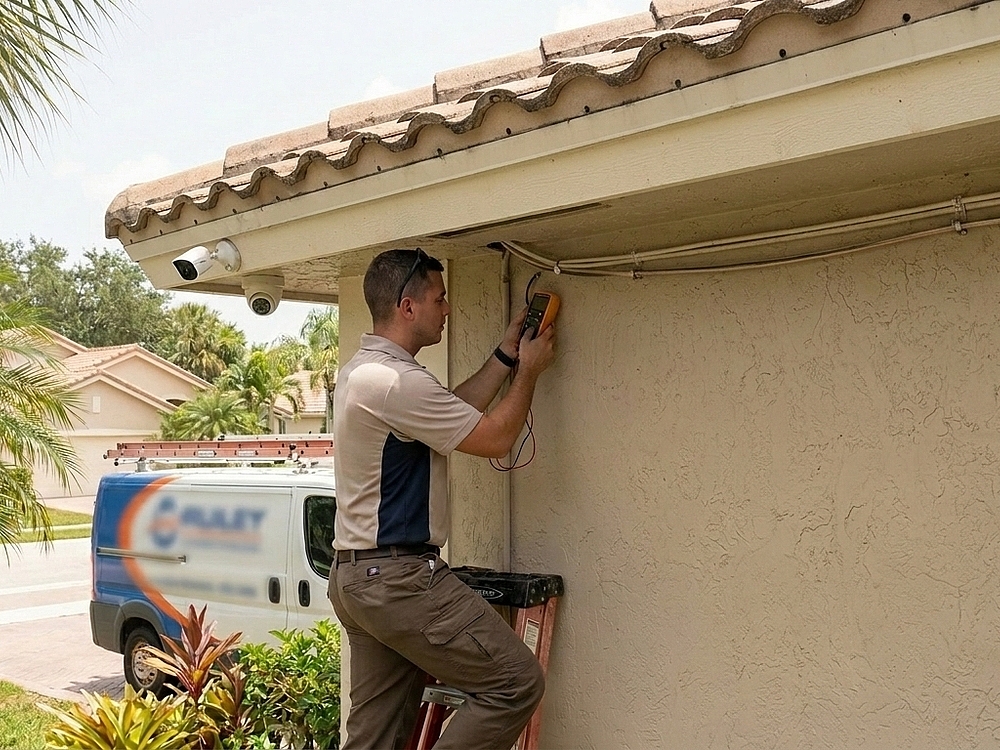
Once the cables are in, testing begins. Continuity checks, signal loss measurements, termination verification — all of it gets documented. If something's off, it gets fixed before the walls close up. You also walk away with a map of your infrastructure, which is gold when you need to troubleshoot or expand later.
Building for What Comes Next
Technology doesn't sit still, and neither should your cabling plan. South Florida businesses that get this right build systems that scale. Structured cabling, modular patch panels, and extra conduit runs give you room to grow without tearing everything apart.
Here's what future-ready infrastructure includes:
- Extra drops in high-traffic areas for devices you haven't bought yet
- Fiber backbone between floors or buildings for long-term bandwidth
- Labeled patch panels and cable management that make changes simple
- Redundant pathways in case one run fails or gets damaged
- Documentation that actually reflects what's in the walls
Where Most Businesses Trip Up
Even with a solid plan, mistakes happen. And in low voltage work, those mistakes show up as dropped connections, slow speeds, or total system failures.
Here's where things go sideways:
- Skipping the site survey and guessing at cable counts
- Using the wrong cable type for the environment or application
- Running low voltage and electrical in the same conduit
- Forgetting to label anything, turning troubleshooting into a nightmare
- Cutting corners on testing and hoping it works out
Why Certification and Compliance Matter
South Florida has building codes. The National Electrical Code has standards. And if your cabling doesn't meet them, you're not just risking performance — you're risking inspections, insurance claims, and liability.
Certified installers know what's required. They pull permits when needed. They use code-compliant materials. They test to industry standards and provide certification reports. That paperwork might seem like overkill until an inspector shows up or your insurance adjuster asks for proof after a storm.
Maintenance Keeps the System Alive
Low voltage cabling isn't install-and-forget. Dust, moisture, and physical wear all take a toll. South Florida businesses that stay ahead schedule periodic inspections, especially after major weather events.
Routine maintenance includes:
- Checking terminations for corrosion or looseness
- Testing signal strength on critical runs
- Inspecting cable trays and conduits for damage
- Updating documentation when changes are made
- Replacing aging cables before they fail
When to Bring in a Pro
If your setup involves multiple floors, outdoor runs, or integration with security and AV systems, DIY gets risky fast. A low voltage contractor brings the tools, the certifications, and the experience to do it right the first time.
They help you:
- Design a system that matches your actual needs, not just your budget
- Choose materials that survive South Florida's climate
- Install cleanly without disrupting your operations
- Test thoroughly and document everything
- Plan for growth without overbuilding today
Infrastructure That Doesn't Quit
Pulling cable isn't the hard part. Planning it so it supports your business for the next decade — that's where companies either get it right or pay for it later. There's no excuse for sloppy runs when the tools and expertise are available. But there's also no forgiveness when you skip the fundamentals and hope for the best.
South Florida businesses that treat cabling voice data wiring as infrastructure — not just IT overhead — end up with systems that scale, perform, and survive whatever the weather throws at them. The ones that don't? They're the ones calling for emergency service when a single cable failure takes down half the office. For businesses in Broward County, investing in professional data cabling in Broward County ensures reliable connectivity and surge lightning protection safeguards critical infrastructure during storm season.
Let’s Build Your Network Right
We know how much your business depends on a reliable, future-proof cabling setup—especially here in South Florida, where every connection counts. If you’re ready to upgrade your infrastructure or need expert advice on your next project, let’s talk it through together. Call us at 954-340-6880 or get a free consultation and see how we can help your business stay connected and secure for years to come.
‹ Back
Recent Posts
-
Is Fiber Optic Cabling in Pembroke Pines a Smart Move for Your Office?
September 25, 2026
-

Signs Your Network Cabling in Pembroke Pines Needs an Upgrade
September 11, 2026
-
Is It Time to Upgrade Your Data Cabling in Pembroke Pines?
August 28, 2026
-
-