

ID Telecom & Data, Inc. is a trusted Coral Springs business phone systems and structured cabling provider. As a family-owned cabling contractor, we specialize in VoIP services, voice and data cabling, network infrastructure, and complete telecommunications solutions from leading brands like Avaya, Samsung, Nortel, and NEC. Our certified cabling technicians handle everything from new system installations to maintenance, surge protection, and equipment upgrades. Whether you need fiber optic cabling, Cat 5/6 installation, low voltage cabling, office cabling solutions, phone system repairs, or a custom business communications setup, our AAA-rated BBB service delivers reliable solutions. Contact ID Telecom & Data, Inc. at 954-340-6880 for a free consultation and experience our professional telecommunications and network cabling expertise.
When It’s Time to Replace Cat 5 or Cat 6 Cabling in Coral Springs
Most property managers think cabling is just about plugging things in. Wires in, data out. But your network infrastructure tells a different story — and if you're not listening, you're setting yourself up for headaches. Cat 5 and Cat 6 cables may have powered your operations for years, but they don't last forever. Especially when bandwidth demands keep climbing and environmental wear starts showing up.
So here's what matters. If you're running a business or managing a connected property in Coral Springs, outdated cabling isn't just slow — it's a liability. Every dropped connection costs time. Every bottleneck frustrates users. And every decision to delay replacement should be weighed against what it's costing you right now — not just what it might cost later.
Old Cable Doesn't Mean Dead Cable
Nine times out of ten, Cat 5 or Cat 6 cabling still functions. It carries signals, devices connect, and most users don't notice anything wrong — until they do. The problem isn't always failure. It's limitation. Cat 5 maxes out at 100 Mbps. Cat 6 can handle more, but only under ideal conditions and shorter runs.
But when your network starts choking under modern loads? Different conversation. Streaming security footage, cloud backups, VoIP calls, and dozens of connected devices all competing for bandwidth — that's when older cabling shows its age. And if your infrastructure wasn't installed with care or has been sitting in South Florida humidity for a decade, degradation accelerates whether you see it or not.
Performance Drops You Can't Ignore
You can't upgrade your router and expect miracles if the cabling can't keep up. That's just throwing money at the wrong problem. But sluggish speeds and unstable connections? Those are symptoms worth investigating.
Here's where performance issues show up most:
- Constant disconnections during video calls or file transfers
- Speeds that don't match what your ISP or equipment should deliver
- Lag spikes that disrupt workflows or customer-facing systems
- Interference from nearby electronics that wasn't an issue before
- Devices that won't maintain stable connections even after troubleshooting
Physical Damage Tells the Real Story
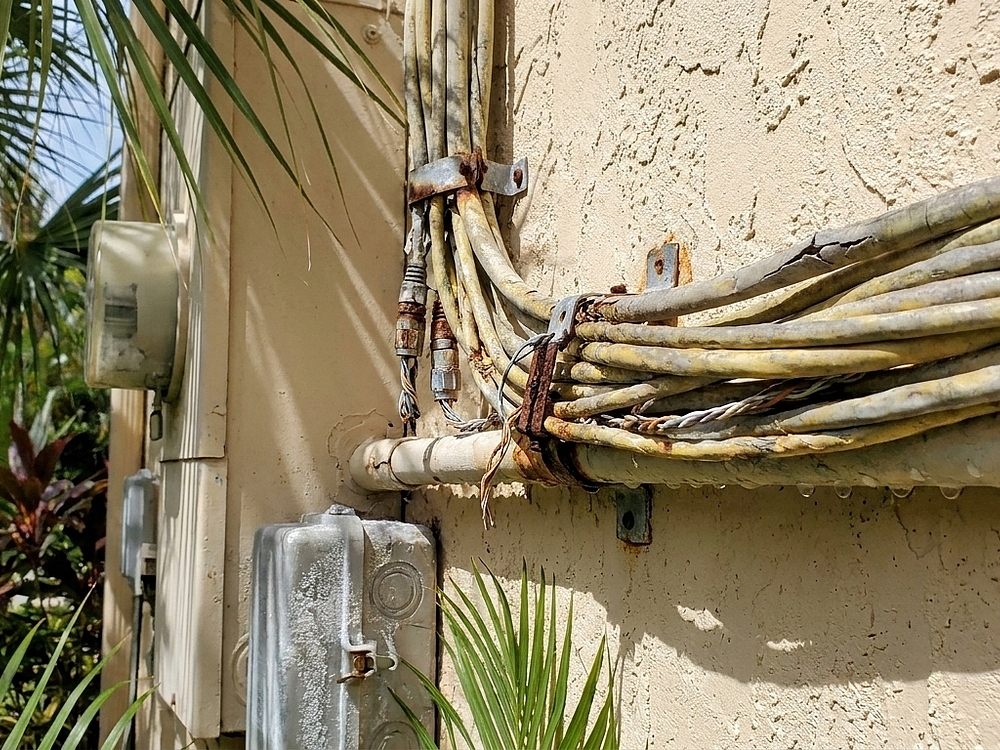
Want to know if your cabling needs replacement? Look at it. Not just the visible runs, but the sections behind walls, in ceilings, or tucked into conduit. Coral Springs properties face heat, moisture, and occasional pest activity — all of which degrade cable integrity over time.
We've seen cables with cracked jackets, exposed wiring, and kinks that create signal loss. Even minor damage compounds when you're pushing higher data loads. And if the installation was done quickly or without proper protection, those vulnerabilities multiply. No amount of network optimization fixes a cable that's physically compromised.
When Standards Move Past You
Cat 5 is obsolete for most modern applications. It was built for a different era — one where 100 Mbps felt fast and streaming wasn't a daily demand. Cat 6 still holds up in many scenarios, but it's not designed for the multi-gigabit speeds that newer equipment supports.
If you've upgraded to gigabit internet or installed high-performance switches and access points, your cabling might be the weak link. And if you're planning to scale — adding more users, devices, or bandwidth-heavy applications — you'll hit that ceiling faster than expected. Upgrading to Cat 6a or Cat 7 isn't just about speed. It's about headroom.
Humidity and Heat Accelerate Wear
South Florida isn't kind to infrastructure. Moisture seeps into poorly sealed cable runs. Heat cycles stress insulation. Over time, even quality cabling breaks down if it wasn't installed with environmental factors in mind.
Coral Springs properties — especially older commercial buildings or homes with attic runs — face these conditions year-round. If your cabling has been in place for more than a decade without inspection, there's a good chance it's not performing at spec anymore. And if it was installed without proper shielding or conduit protection, replacement isn't optional — it's overdue.
What Replacement Actually Solves
Swapping out old cabling isn't just about fixing what's broken. It's about building capacity for what's next. Modern cables handle higher speeds, resist interference better, and support longer runs without signal degradation.
Here's what you gain with an upgrade:
- Support for multi-gigabit speeds across your entire network
- Better shielding against crosstalk and electromagnetic interference
- Longer cable runs without performance loss
- Compatibility with Power over Ethernet (PoE) devices at higher wattages
- Future-proofing for equipment upgrades you haven't planned yet
Planning the Upgrade Without Disruption
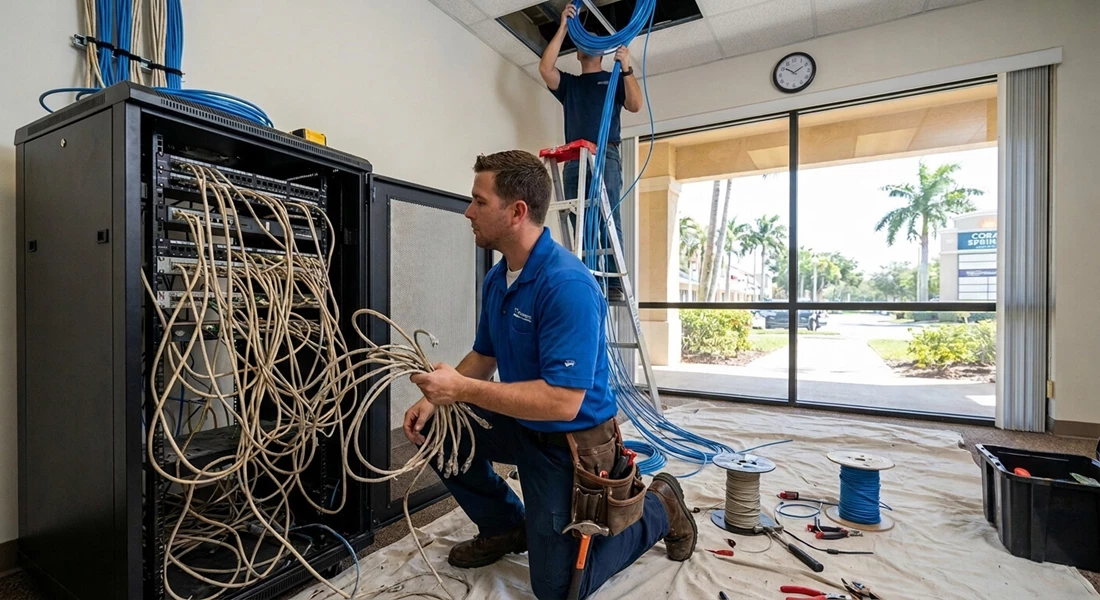
Ripping out cabling and starting fresh sounds disruptive — and it can be, if not planned correctly. But a professional installer can map your current infrastructure, identify problem areas, and phase the replacement to minimize downtime.
We recommend starting with high-traffic areas or critical systems first. If your main office or server room is still running Cat 5, that's priority one. Secondary spaces or less-critical runs can follow. And if you're already renovating or expanding, that's the perfect window to upgrade cabling without adding extra labor costs.
Documentation Keeps You Covered
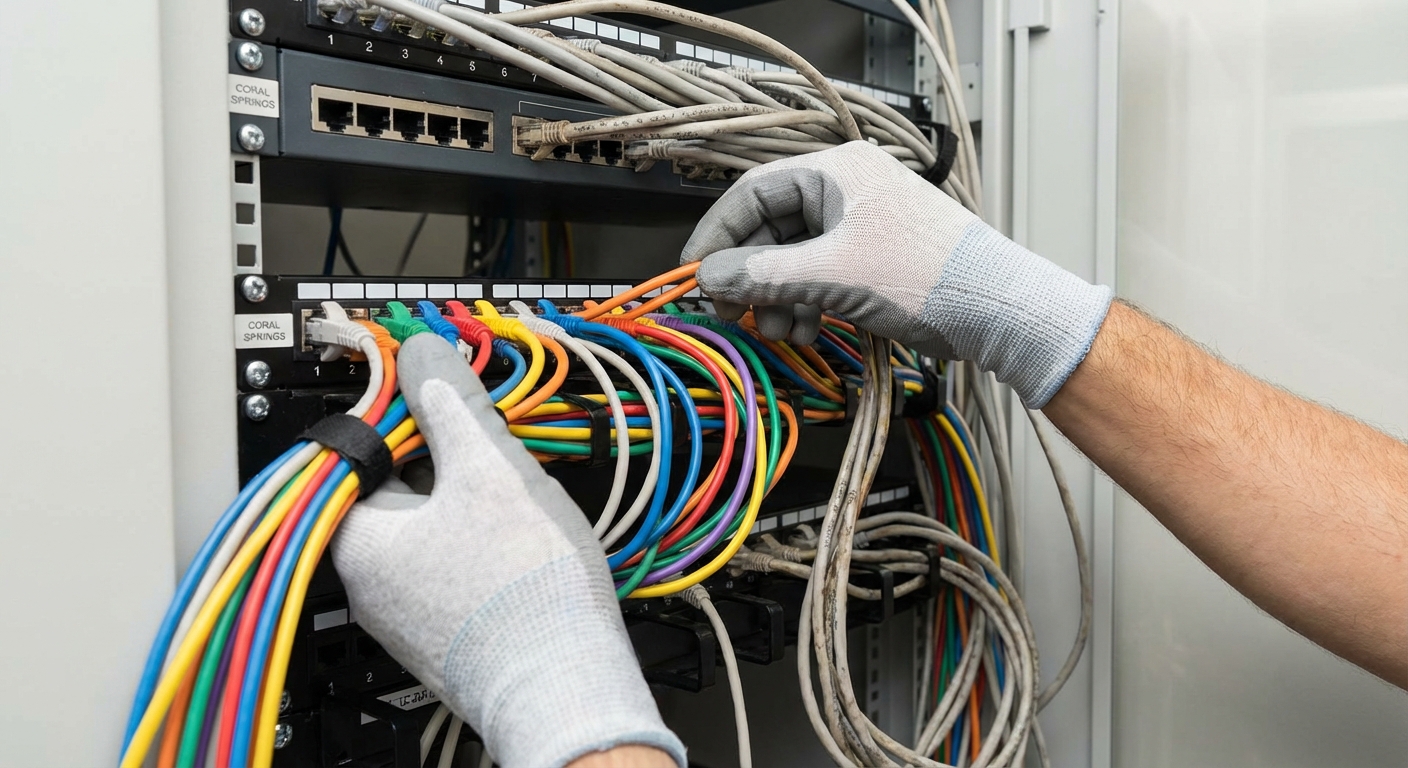
Want to avoid confusion down the line? Label everything. Document cable types, run lengths, and termination points. Keep records of when the installation happened and what standards were followed.
Here's what your documentation should include:
- Cable type and category for every run
- Installation date and contractor information
- Network diagrams showing physical and logical layouts
- Test results confirming performance meets spec
- Warranty details for materials and labor
Common Mistakes That Cost More Later
Trying to patch together old and new cabling without a clear plan? That's how you end up with a Frankenstein network that's harder to troubleshoot than it is to use. Mixing cable types, skipping proper terminations, or reusing damaged sections to save a few dollars — all of it backfires when performance suffers or failures cascade.
We've also seen property owners skip professional installation and attempt DIY runs. It's tempting when you're watching costs, but improper installation voids warranties, creates safety hazards, and often fails certification testing. If you're investing in new cabling, do it right the first time.
When to Bring in a Professional
If your network is mission-critical, serves multiple users, or supports customer-facing systems, this isn't a weekend project. A certified network installer can assess your current setup, recommend the right cabling for your needs, and ensure every run meets industry standards.
Here's what a pro handles that you shouldn't guess at:
- Proper cable routing to avoid interference and physical damage
- Termination and testing to confirm performance
- Compliance with local building codes and fire safety requirements
- Integration with existing network equipment and future upgrades
- Warranty coverage that protects your investment
Infrastructure That Keeps Pace
Replacing cabling isn't glamorous. It doesn't show up on your website or impress clients walking through the door. But it's the foundation everything else runs on. Slow networks frustrate employees. Dropped connections lose sales. And outdated infrastructure limits what you can build next.
In Coral Springs, where businesses and residents expect fast, reliable connectivity, your cabling voice data wiring either supports that expectation or undermines it. There's no middle ground when performance matters. Upgrade when the signs appear, plan for growth before you need it, and don't settle for structured voice and data cabling that can't keep up with where you're headed. Whether you need data cabling in Broward County or comprehensive telecom services, working with experienced professionals ensures your network infrastructure supports your business goals. For businesses across South Florida, investing in modern cabling infrastructure is essential for maintaining competitive advantage and operational efficiency.
Ready to Upgrade Your Network?
Let’s make sure your business in Coral Springs is set up for seamless connectivity and future growth. We’re here to help you eliminate slowdowns and keep your network running at its best. Give us a call at 954-340-6880 to talk through your needs, or get a free consultation and see how we can make your next upgrade hassle-free.
‹ Back
Recent Posts
-
Is Fiber Optic Cabling in Pembroke Pines a Smart Move for Your Office?
September 25, 2026
-

Signs Your Network Cabling in Pembroke Pines Needs an Upgrade
September 11, 2026
-
Is It Time to Upgrade Your Data Cabling in Pembroke Pines?
August 28, 2026
-
-