

ID Telecom & Data, Inc. is a trusted Coral Springs business phone systems and structured cabling provider. As a family-owned cabling contractor, we specialize in VoIP services, voice and data cabling, network infrastructure, and complete telecommunications solutions from leading brands like Avaya, Samsung, Nortel, and NEC. Our certified cabling technicians handle everything from new system installations to maintenance, surge protection, and equipment upgrades. Whether you need fiber optic cabling, Cat 5/6 installation, low voltage cabling, office cabling solutions, phone system repairs, or a custom business communications setup, our AAA-rated BBB service delivers reliable solutions. Contact ID Telecom & Data, Inc. at 954-340-6880 for a free consultation and experience our professional telecommunications and network cabling expertise.
When Does Camera Cabling in South Florida Need a Professional Check?
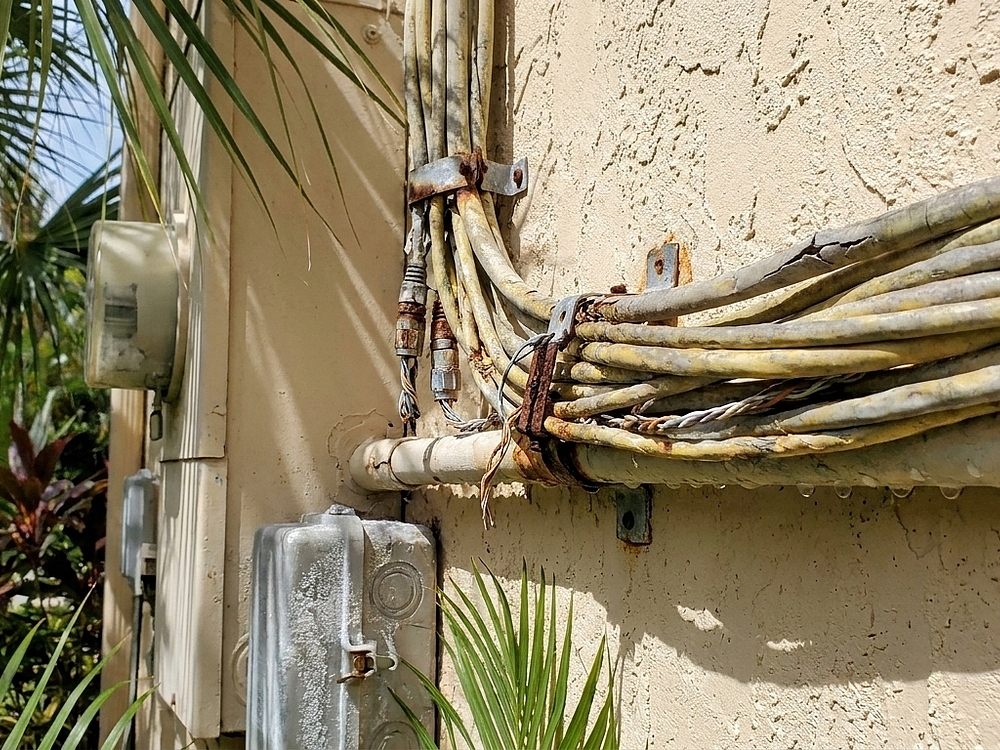
Most property owners worry about cameras going dark. They blame the hardware, the settings, maybe the power supply. But the real problem? It's often buried in the walls or strung along the eaves—corroded, frayed, or half-connected. South Florida doesn't forgive sloppy cabling. The salt air, the storms, the relentless humidity—all of it chews through installations that weren't done right the first time.
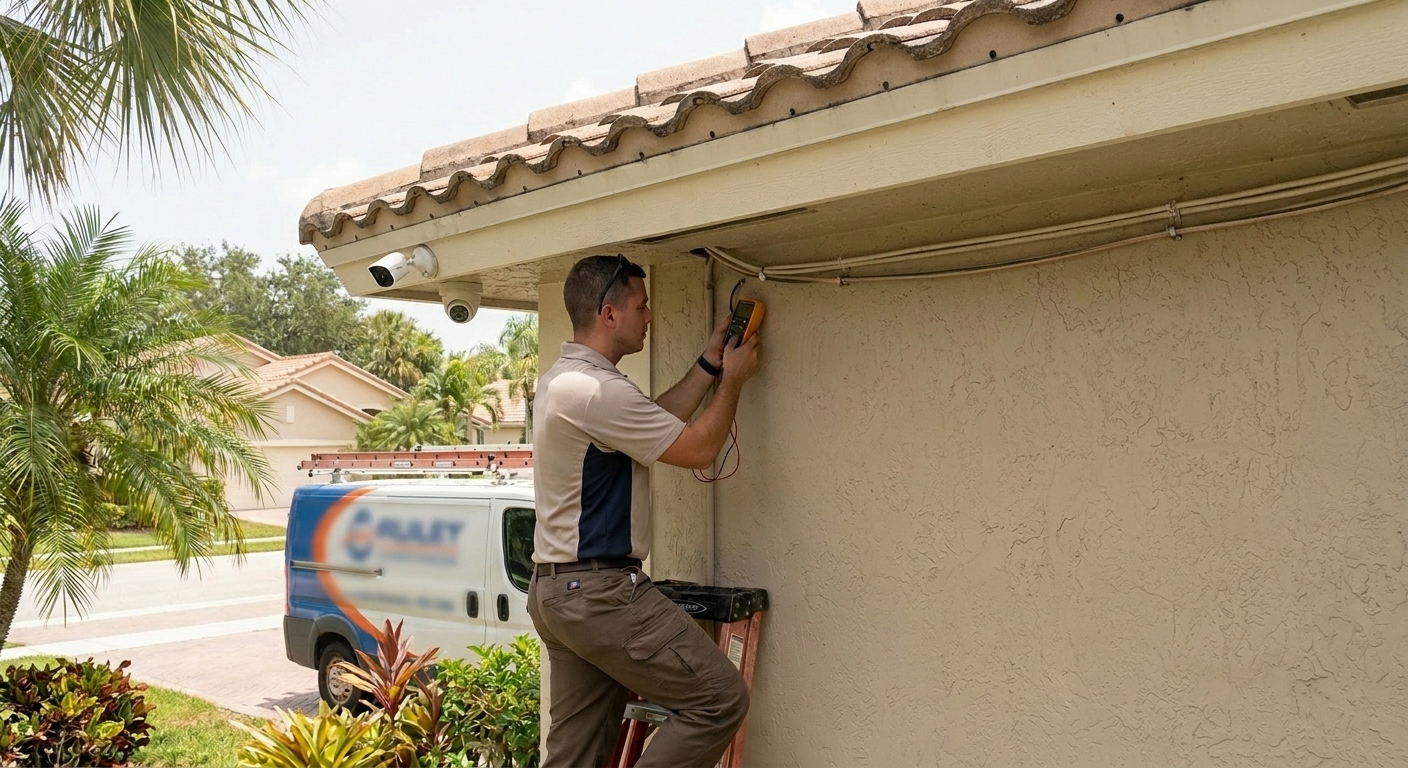
So if you're running surveillance on your property, you need to know when those cables need more than a quick look. Because by the time the feed goes fuzzy or drops completely, you've already lost footage you can't get back. And that's not a risk worth taking.
Cables Crack and Corrode Faster Here
UV exposure is brutal in South Florida. If your camera cables run outdoors—especially along rooflines or under eaves—they're getting hit hard. Over time, insulation splits. Wires get exposed. And once moisture finds its way in, corrosion spreads fast. You might not see it from the ground, but it's there.
A professional check catches that early. They'll inspect for cracks, test connections, and replace sections before the whole run fails. If you wait until the camera stops working, you're looking at a bigger job and more downtime than you needed.
Intermittent Feeds Mean Something's Wrong
Cameras that flicker on and off? That freeze for a few seconds, then come back? Those aren't quirks. They're symptoms. Usually it's a loose connection, a damaged cable, or interference picking up somewhere along the line. In a humid climate, even small gaps in shielding can let moisture creep in and disrupt the signal.
Don't try to guess which cable is the problem. A tech can run diagnostics, isolate the weak point, and fix it without tearing apart your whole setup. DIY troubleshooting here just wastes time.
After Every Major Storm
Hurricanes and tropical storms don't just knock trees down—they rattle every outdoor installation on your property. Camera cables can come loose, get yanked by debris, or take water damage you won't notice right away. Even if the cameras still work, the cabling might have hidden faults that'll fail later when you need the system most.
Get a pro out after major weather. They'll check mounting points, test signal integrity, and make sure your cabling didn't take a hit. It's a small step that keeps your security infrastructure solid when it counts.
When You Add Cameras or Upgrade
Thinking about expanding your camera coverage? Or swapping out old analog units for high-def IP cameras? Then your existing cabling might not cut it anymore. Older coax lines can't handle the bandwidth modern cameras demand. And running new cable without planning can lead to bottlenecks, signal loss, or code violations.
Here's what a professional handles during an upgrade or expansion:
- Testing current cable capacity and quality
- Running new lines with proper shielding and weatherproofing
- Ensuring compliance with local electrical and building codes
- Installing surge protection to guard against South Florida lightning
- Organizing cable runs for clean management and future access
System Drops Without Warning
If your cameras cut out and you've checked the power, the recorder, and the settings—yet nothing's obviously broken—then the cables are suspect. Rodents chew through them. Landscapers clip them. Construction crews bury them under new concrete. Any of those scenarios can take down your entire surveillance network.
A technician knows where to look. They trace lines, test continuity, and figure out what failed. That's faster and more reliable than pulling random cables and hoping you find the break.
Preventative Checks Save Money
You don't need to wait for failure. Scheduling a professional inspection every year or two keeps small problems from becoming expensive emergencies. In South Florida's environment, proactive maintenance is the only way to extend the life of your cabling and avoid surprise outages.
During a preventative check, expect them to:
- Inspect all visible cable runs for damage or wear
- Test signal strength and bandwidth on each line
- Tighten connections and replace worn fittings
- Apply weatherproofing or conduit where exposure is high
- Document any areas that need monitoring or future replacement
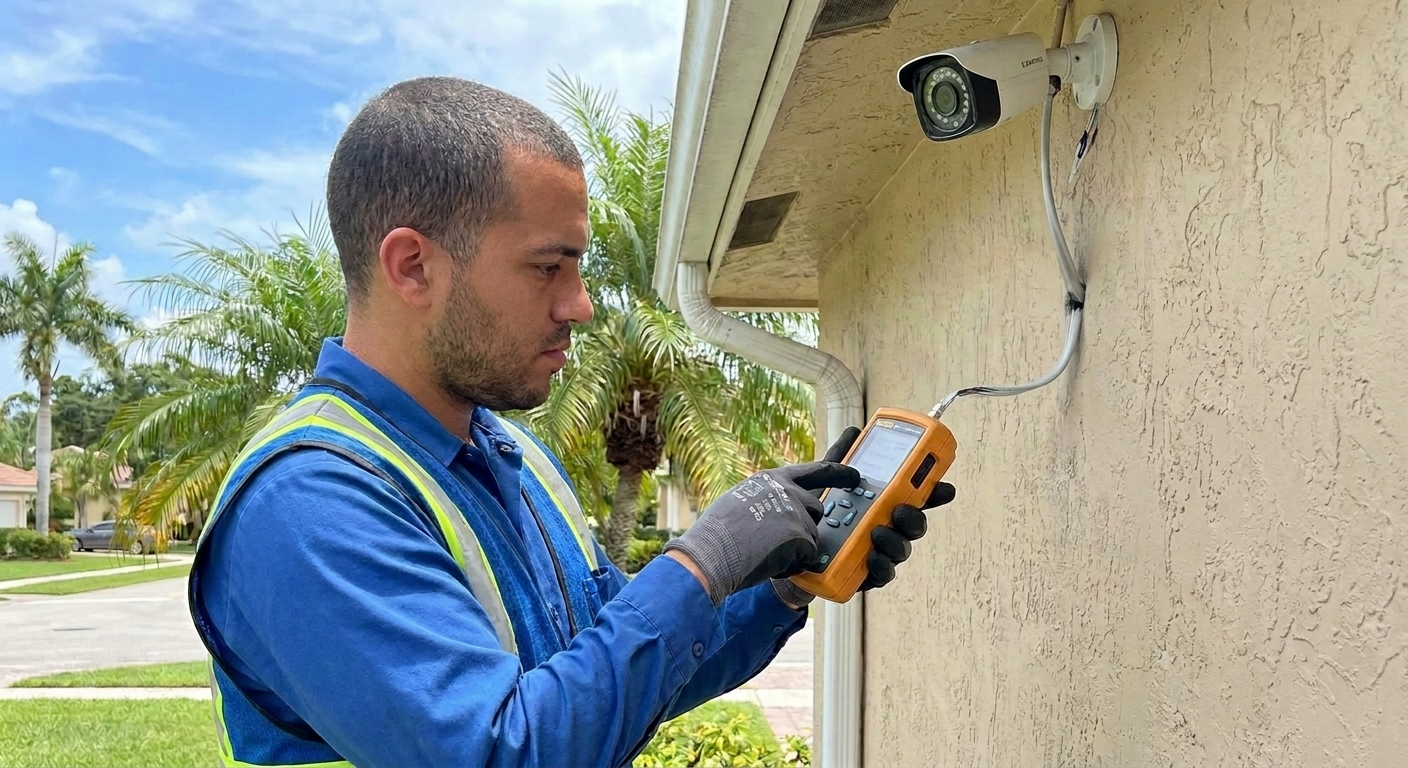
Why Professionals Matter
Camera cabling isn't just plug-and-play. It involves voltage, data transmission, weather resistance, and code compliance. A professional brings the right tools to test signal loss, verify grounding, and ensure everything meets local standards. They also know which materials hold up in coastal conditions and which ones fail fast.
Trying to DIY complex cabling can void warranties, create safety hazards, or leave you with a system that works—until it doesn't. The cost of a professional check is a fraction of what you'll pay to redo a botched install or deal with downtime during a security incident.
Common Mistakes That Trigger Problems
Most cabling failures we see come down to a handful of repeated errors. These aren't just beginner mistakes—they're shortcuts that seem fine at first, then cost you later.
- Using indoor-rated cable outdoors where UV and moisture destroy it
- Skipping conduit or proper mounting, leaving cables loose and exposed
- Mixing incompatible cable types that cause signal interference
- Ignoring grounding and surge protection in a lightning-prone region
- Running power and data cables too close together without shielding
What Happens If You Wait Too Long
Delaying a cable check doesn't save you money—it sets you up for bigger bills. A small corrosion spot spreads. A loose connection causes arcing. A frayed cable shorts out and takes the whole system offline. And when that happens during a break-in or a storm, the footage you needed is gone.
Beyond lost security, you're looking at emergency service rates, expedited parts, and the hassle of troubleshooting under pressure. Regular checks cost less and keep your system running when it matters most.
Signs You Should Call Today
If any of these apply, don't wait for the next scheduled maintenance. Get a professional out now.
- Visible damage or exposed wiring anywhere on your property
- Cameras that freeze, lag, or drop out multiple times a day
- Recent weather events that rattled your equipment
- Plans to upgrade or expand your surveillance system
- Unexplained outages that power cycling doesn't fix
Finding the Right Tech
Not every electrician or handyman understands surveillance cabling. You need someone who specializes in low-voltage systems, knows local codes, and has experience working in South Florida's conditions. Ask about certifications, check reviews, and make sure they offer warranties on their work.
Here's what to look for when hiring:
- Certification in low-voltage or security system installation
- Experience with IP and analog camera systems
- Knowledge of surge protection and grounding for coastal properties
- Willingness to document their findings and recommend upgrades
- Transparent pricing with no surprise fees for diagnostics
Cables Are the Backbone
Cameras get all the attention, but the cabling is what keeps them working. In Coral Springs and throughout the region, where the environment actively degrades installations, regular professional checks aren't optional—they're part of keeping your property secure. For businesses seeking comprehensive protection, cameras and surveillance systems require proper cabling and data wiring to function reliably. Small problems caught early stay small. Ignored, they become outages you can't afford.
At the end of the day, surveillance is only as reliable as the infrastructure behind it. If you're not sure when your cabling was last checked—or if it's ever been checked—now's the time to make the call.
Let’s Secure Your Cameras the Right Way
We know how critical it is to keep your cameras running strong in South Florida’s tough climate. Don’t wait for a surprise outage or lost footage—let’s make sure your cabling is up to the task. Reach out to us at 954-340-6880 and let’s talk about your setup. If you’re ready to take the next step, get a free consultation and see how we can keep your property protected year-round.
‹ Back
Recent Posts
-
Is Fiber Optic Cabling in Pembroke Pines a Smart Move for Your Office?
September 25, 2026
-

Signs Your Network Cabling in Pembroke Pines Needs an Upgrade
September 11, 2026
-
Is It Time to Upgrade Your Data Cabling in Pembroke Pines?
August 28, 2026
-
-